Fiber Supplements: Do They Work?
Fiber supplements can ease constipation and help some people reach their daily fiber goal, but they do not fully replace fiber-rich foods. Here is what works, for whom, and how to start.
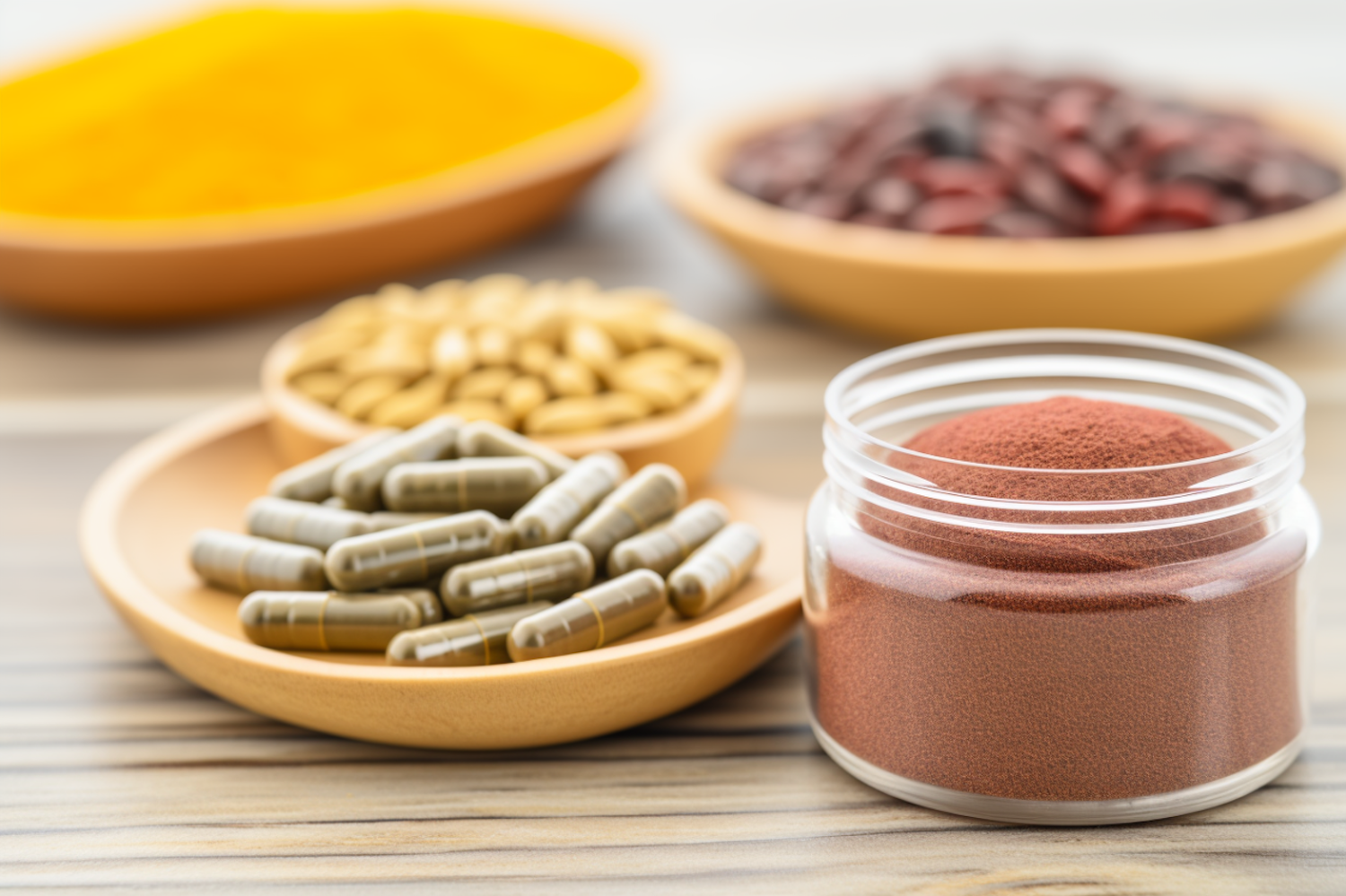
The short answer
Fiber supplements do work for some goals. Psyllium and similar products can ease constipation, soften stool, and modestly lower LDL cholesterol. They do not deliver the vitamins, minerals, and variety of fiber that whole foods provide, so they work best as a top-up. Start low, drink plenty of water, and talk to your doctor first.
Key takeaways
- Fiber supplements work best for constipation, where bulk-forming types like psyllium and methylcellulose soften stool and help it pass.
- The FDA Daily Value for fiber is 28 grams a day for adults on a 2,000-calorie diet, and most Americans eat far less.
- Psyllium can modestly lower LDL cholesterol and qualifies for an FDA-authorized heart health claim when part of a diet low in saturated fat.
- Supplements usually provide one type of fiber and lack the vitamins, minerals, and plant compounds that fiber-rich foods provide.
- Gas and bloating are the most common side effects, and starting with a low dose and increasing slowly helps reduce them.
- Bulk-forming fiber must be taken with plenty of liquid, and it should be spaced from medicines as your pharmacist advises.
- Blood in the stool, unexplained weight loss, or a lasting change in bowel habits needs a doctor's visit rather than a supplement.
Most Americans eat far less fiber than they need, so a spoonful of powder or a couple of capsules can look like an easy fix. Whether that fix works depends on what you want it to do, which supplement you choose, and how you take it.
This article walks through the main types of fiber supplements, what the evidence supports, where they fall short, and how to use them safely. It can help you decide whether one makes sense for you, but it is not a substitute for advice from your doctor or a registered dietitian (RD or RDN).
What is a fiber supplement?
A fiber supplement is a powder, capsule, chewable, or wafer that provides concentrated dietary fiber, the part of plant foods your body cannot fully digest. Most are sold over the counter and many are labeled as laxatives.
Fiber comes in two broad forms. Soluble fiber dissolves in water to form a gel, which can slow digestion and help lower cholesterol. Insoluble fiber does not dissolve and adds bulk to stool, which helps it move through the gut. Many foods contain both, while most supplements are built around one main type.
Fiber is one piece of the broader picture covered in our guide to nutrition and wellness, where whole foods remain the foundation.
How much fiber do you actually need?
The FDA uses a Daily Value of 28 grams of fiber a day for adults on a 2,000-calorie diet, and the Dietary Guidelines for Americans set targets that rise with calorie needs. Most people in the US fall well short of those amounts.
That gap is the main reason supplements are popular. The Dietary Guidelines identify fiber as a nutrient of public health concern because so few Americans get enough. Closing the gap with food usually means more vegetables, fruits, beans, lentils, whole grains, nuts, and seeds.
If you are not sure where your diet stands, the signs and fixes in the fiber you are probably missing are a good starting point before reaching for a supplement.
What are the main types of fiber supplements?
The most common fiber supplements are psyllium, methylcellulose, wheat dextrin, inulin, and calcium polycarbophil. They differ in how they behave in your gut, how much gas they cause, and what the evidence shows.
| Type | Main fiber form | Gels in water? | Gas and bloating | What it is mostly used for |
|---|---|---|---|---|
| Psyllium husk | Mostly soluble | Yes, strongly | Moderate | Constipation, stool form, LDL cholesterol |
| Methylcellulose | Soluble, not fermented | Somewhat | Usually low | Constipation |
| Wheat dextrin | Soluble | No, dissolves clear | Low to moderate | Adding fiber to drinks and food |
| Inulin (chicory root) | Soluble, highly fermented | No | Often higher | Prebiotic, feeding gut bacteria |
| Calcium polycarbophil | Synthetic bulking fiber | Absorbs water | Usually low | Constipation and loose stool |
"Fermented" means bacteria in your large intestine break the fiber down. That process produces substances that may benefit gut health, but it also produces gas, which is why highly fermented fibers like inulin cause more bloating in some people.
Do fiber supplements help with constipation?
Yes, this is where the evidence for fiber supplements is strongest. Bulk-forming fibers such as psyllium and methylcellulose absorb water, make stool softer and bulkier, and help it pass more easily.
NIDDK lists fiber supplements among the first options for constipation, alongside eating more fiber-rich foods, drinking enough fluids, and staying active. They usually take one to three days to have an effect, so they are better for regular use than for quick relief.
Psyllium can also help with loose stool, because its gel adds form. That is one reason it is sometimes suggested for people with irritable bowel syndrome (IBS), a common disorder that causes belly pain along with changes in bowel habits. NIDDK notes that fiber may help some people with IBS, while others find certain fibers make gas and bloating worse.
Can fiber supplements lower cholesterol or blood sugar?
Some soluble fiber supplements, especially psyllium, can modestly lower LDL cholesterol, the type linked with heart disease. The FDA allows foods containing enough psyllium soluble fiber to carry a health claim about reducing the risk of heart disease as part of a diet low in saturated fat and cholesterol.
The key word is modest. A supplement works best alongside other changes, such as keeping saturated fat under 10% of calories. The bigger picture is covered in foods that help lower cholesterol.
Gel-forming fibers can also slow how quickly sugar from a meal enters your blood. This may help with blood sugar control, but the effect varies, and supplements are not a replacement for diabetes medication. If you take diabetes medication, talk to your doctor before adding a fiber supplement, since your blood sugar response could change.
Are fiber supplements as good as fiber from food?
No. Fiber supplements can supply grams of fiber, but they cannot match what fiber-rich foods bring along with them. Whole foods remain the better choice whenever you can manage it.
| Feature | Fiber from food | Fiber supplement |
|---|---|---|
| Types of fiber | Many types in one meal | Usually one main type |
| Other nutrients | Vitamins, minerals, potassium, plant compounds | Few or none |
| Fullness | Chewing and volume help you feel full | Some fullness from gel-forming types |
| Convenience | Takes planning and cooking | Quick and measured |
| Best use | Everyday foundation | Top-up or targeted help |
A bowl of oats with berries, a bean chili, or a salad with lentils delivers fiber along with many other nutrients. Many people find it easier than expected to add a few servings, using the approach in building a balanced plate.
A supplement makes the most sense when your diet is limited, you have a specific goal like regular bowel movements, or your doctor has recommended one.
What are the side effects of fiber supplements?
The most common side effects are gas, bloating, and cramping, especially if you start with a full dose. These usually ease as your gut adjusts over a week or two.
Other things to know:
- Choking or blockage risk. Bulk-forming powders swell with liquid. Taking them without enough water can cause them to swell in the throat or gut. Always follow the label's fluid instructions.
- Medication timing. Fiber can reduce how well some medicines are absorbed. A common approach is to take medicines at least two hours before or after a fiber supplement, but check with your pharmacist about your specific drugs.
- Added sugar or sweeteners. Some flavored powders and gummies contain sugar or sugar substitutes. Read the label if you are watching either.
- Allergy. Psyllium can rarely cause allergic reactions, more often in people who handle the powder regularly.
Bloating that does not settle is worth exploring on its own terms, and the causes in why you feel bloated after eating may point to something other than fiber.
How should you start taking a fiber supplement?
Start low, increase slowly, and drink plenty of fluid. Going from little fiber to a full dose overnight is the most common reason people give up.
- Pick a type that fits your goal. Psyllium for constipation or cholesterol, methylcellulose if gas is a concern.
- Begin with half the label dose or less for the first week.
- Mix powders in at least 8 ounces of water or another liquid and drink it promptly, before it thickens.
- Increase gradually over two to three weeks if you tolerate it.
- Space it from medicines as your pharmacist advises.
- Keep working on food. Add one fiber-rich food at a time so the supplement can eventually do less.
Dietary supplements are regulated differently from medicines. Over-the-counter fiber laxatives follow FDA drug rules, but fiber products sold as dietary supplements are not approved by the FDA for safety and effectiveness before sale. Choosing a well-known product with a clear ingredient list is sensible.
Who should be careful with fiber supplements?
Some people need extra caution before using a fiber supplement, mainly because of how bulk-forming fiber swells and how it interacts with medicines and existing conditions.
- People with swallowing problems. Thick, swelling powders can be hard to get down safely. Ask your doctor about other options.
- People with a history of bowel narrowing or blockage. Extra bulk can make a blockage more likely.
- People with diabetes. Fiber can change how quickly blood sugar rises after meals, which may affect medication needs.
- Children. Doses for children differ from adult doses, so check with a pediatrician before giving one.
- People who are pregnant. Constipation is common during pregnancy, and fiber may help, but check with your prenatal care provider about which product and dose to use.
If you fall into one of these groups, a fiber supplement may still be a good option. The point is to make that choice with your doctor rather than on your own.
When should you see a doctor?
Talk to your doctor before starting a fiber supplement if you have a digestive condition, have had bowel surgery, have trouble swallowing, or take medicines regularly. Also check in if constipation is new, lasts more than a few weeks, or keeps coming back.
See a doctor promptly if you notice:
- Blood in your stool or black, tarry stool.
- Unexplained weight loss.
- A lasting change in bowel habits, especially after age 45.
- Constipation alternating with diarrhea, or ongoing belly pain.
Call 911 or go to the emergency room if you have severe belly pain with vomiting and cannot pass gas or stool, chest pain or trouble swallowing after taking a fiber product, or trouble breathing. These can signal a blockage or an allergic reaction.
So, do fiber supplements work?
For constipation and stool consistency, fiber supplements often work well. For cholesterol, psyllium offers a modest benefit. For overall health, they are a helpful bridge but not a replacement for the variety of fiber, vitamins, and minerals in whole foods.
If you choose one, start slowly, drink enough water, watch for medication interactions, and keep building fiber-rich foods into your meals. A registered dietitian can help you find a plan that fits your goals and your gut.
Common questions
- Do fiber supplements actually work?
- Yes, for certain goals. Bulk-forming fiber supplements such as psyllium and methylcellulose reliably help relieve constipation, and psyllium can modestly lower LDL cholesterol. They do not provide the vitamins, minerals, and range of fibers in whole foods, so they work best as a supplement to a fiber-rich diet rather than a replacement for one.
- Is it OK to take a fiber supplement every day?
- For many healthy adults, daily use of a bulk-forming fiber supplement taken with enough water is generally considered safe. Follow the label dose, increase slowly, and space it from medicines. Talk to your doctor first if you have a digestive condition, trouble swallowing, diabetes, or take regular medication, since fiber can change how some drugs are absorbed.
- What is the best fiber supplement?
- There is no single best one. Psyllium has the strongest evidence for constipation and cholesterol, methylcellulose tends to cause less gas, and wheat dextrin dissolves clear into drinks. Inulin feeds gut bacteria but often causes more bloating. Choose based on your goal and how your gut tolerates it, and ask a doctor or registered dietitian if unsure.
- How long does it take for fiber supplements to work?
- Bulk-forming fiber supplements usually take about one to three days to have an effect on constipation. Benefits such as more regular bowel movements build with steady daily use. Effects on cholesterol take longer and are measured over weeks. If constipation does not improve or gets worse, talk to your doctor rather than increasing the dose a lot.
- Can fiber supplements cause bloating?
- Yes. Gas, bloating, and cramping are the most common side effects, especially when you start with a full dose or use highly fermented fibers like inulin. Starting with half the label dose or less, increasing over two to three weeks, and drinking plenty of fluid usually helps. Persistent bloating may have another cause worth checking with your doctor.
- Should I take fiber supplements in the morning or at night?
- Either can work, so pick a time you can stick with consistently. What matters more is taking it with a full glass of liquid and spacing it at least a couple of hours from your medicines, as your pharmacist advises. Some people prefer the morning because any gas tends to settle during the day.
Sources
Published research and guidance this page draws on. Check the original where a detail matters to you.
- 1Dietary FiberMedlinePlus, U.S. National Library of Medicine
- 2FiberMedlinePlus Medical Encyclopedia
- 3Treatment for ConstipationNational Institute of Diabetes and Digestive and Kidney Diseases
- 4Irritable Bowel SyndromeNational Institute of Diabetes and Digestive and Kidney Diseases
- 5Daily Value on the Nutrition and Supplement Facts LabelsU.S. Food and Drug Administration
- 6Dietary Guidelines for AmericansU.S. Department of Agriculture and HHS
- 7PsylliumMedlinePlus, U.S. National Library of Medicine
This article is for general education and is not a substitute for professional medical advice. Speak with a qualified healthcare provider about your individual circumstances.
About HealthPathCore
An independent health knowledge library
Every article here is built from published research and guidance issued by named health bodies, written in plain language, and dated so you can see how current it is. When the evidence moves, we come back and correct the piece.
How we research and write