Alcohol and Health: How Much Is Too Much?
What counts as one drink, how NIAAA defines heavy and binge drinking, what alcohol does to your body over time, and the signs it may be time to cut back.
The short answer
No amount of alcohol is considered risk free, and US health bodies agree that drinking less is better than drinking more. NIAAA defines binge drinking as about four or more drinks for women, or five or more for men, in two hours. Heavy drinking means more than seven drinks a week for women or fourteen for men.
Key takeaways
- A US standard drink holds about 14 grams of pure alcohol: 12 ounces of regular beer, 5 ounces of wine, or 1.5 ounces of spirits.
- NIAAA defines binge drinking as roughly four or more drinks for women or five or more for men in about two hours.
- NIAAA defines heavy drinking as more than three drinks a day or seven a week for women, and more than four a day or fourteen a week for men.
- The National Cancer Institute lists alcohol as a cause of several cancers, including breast, liver, and colorectal cancer.
- Pregnant people, anyone under 21, and people taking interacting medications should not drink.
- People who drink heavily every day should not stop suddenly without medical help, because withdrawal can be dangerous.
- Confusion, vomiting, seizures, slow breathing, or being impossible to wake after drinking are reasons to call 911.
Most people who drink are not sure where "normal" ends and "too much" begins. A glass of wine with dinner, a few beers at a game, cocktails at a wedding: it all blurs together, and advice about alcohol has shifted over the years.
This article explains what counts as one drink, how US health bodies define heavy and binge drinking, what alcohol does to your body over time, and the signs that your drinking may be worth a closer look. It is meant to help you understand your own pattern and decide what to do next, not to diagnose anything.
What counts as one drink?
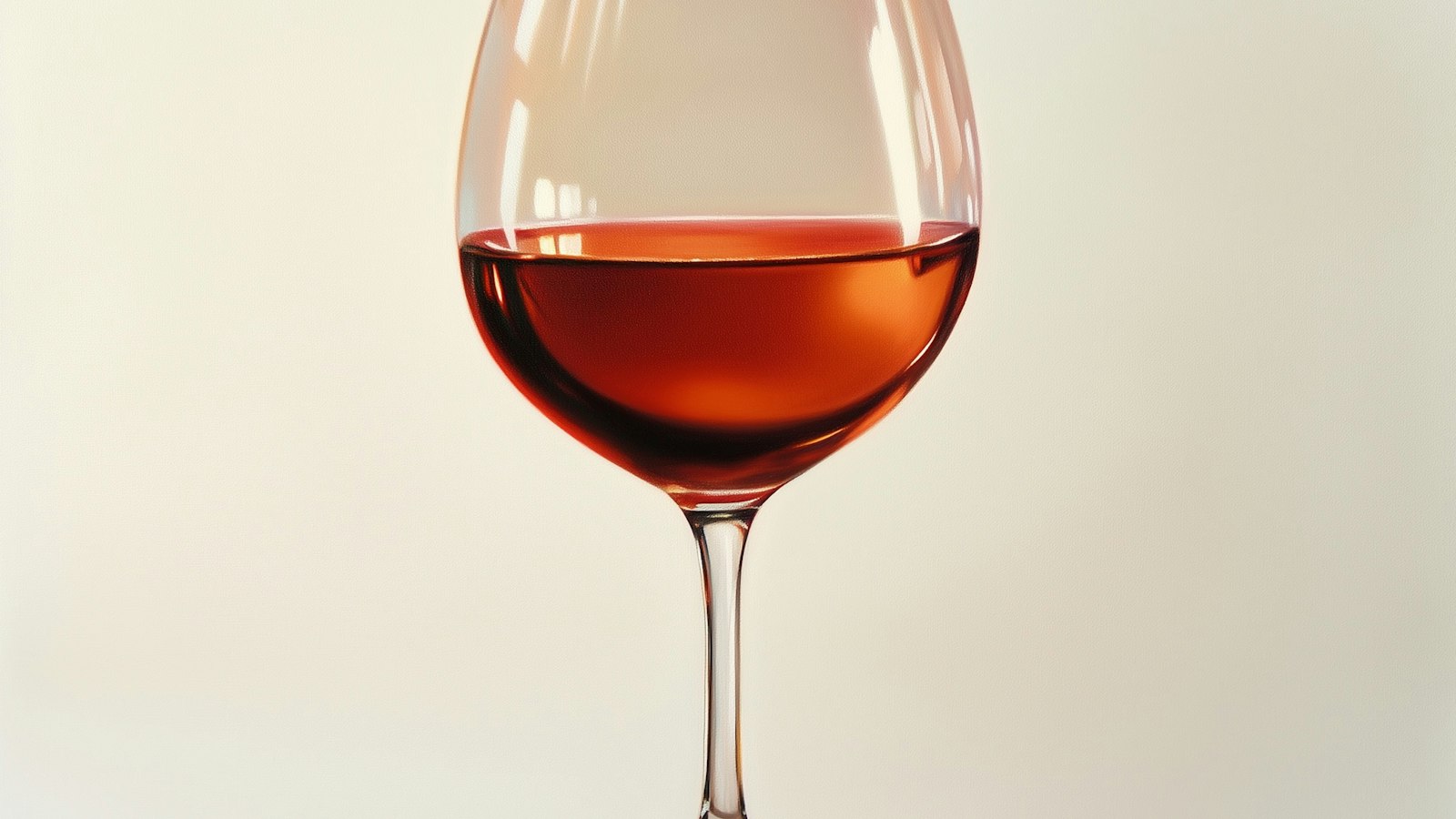
In the United States, a standard drink is any drink that contains about 14 grams of pure alcohol, according to the National Institute on Alcohol Abuse and Alcoholism (NIAAA). How much liquid that is depends on how strong the drink is.
| Drink | Typical alcohol content | Amount that equals one standard drink |
|---|---|---|
| Regular beer | About 5% | 12 fluid ounces |
| Malt liquor | About 7% | 8 to 9 fluid ounces |
| Table wine | About 12% | 5 fluid ounces |
| Distilled spirits (gin, vodka, whiskey, rum) | About 40% | 1.5 fluid ounces |
Real-world servings are often bigger than this. A pint of craft beer at 7% or higher, a generous restaurant pour of wine, or a mixed drink with two shots can each count as two drinks or more. NIAAA's Rethinking Drinking site has calculators that help you convert what is actually in your glass.
How much alcohol is too much?
There is no amount of alcohol that health agencies describe as risk free, and the general guidance from US bodies is that drinking less is better for health than drinking more. Beyond that, a few published thresholds help you see where your pattern sits.
According to NIAAA, binge drinking is a pattern that brings blood alcohol concentration to 0.08% or higher, which typically happens when women have four or more drinks, or men have five or more, in about two hours. NIAAA defines heavy drinking for women as more than three drinks on any day or more than seven per week, and for men as more than four on any day or more than fourteen per week.
The Dietary Guidelines for Americans also address alcohol, and the 2025 to 2030 edition changed its wording from earlier editions. Rather than lean on a single number here, it is safer to read the current guidance at dietaryguidelines.gov directly. The consistent message across the CDC, NIAAA, and the Dietary Guidelines is that if you do not drink, there is no health reason to start, and if you do, less is better.
Alcohol is one piece of an overall eating pattern. The nutrition and wellness guide covers how drinks fit alongside food, sugar, and caffeine.
Who should not drink at all?
For some people, the safest amount is none. The CDC and NIAAA advise avoiding alcohol entirely if you:
- Are pregnant or might be pregnant. No amount of alcohol is known to be safe during pregnancy.
- Are under the legal drinking age of 21.
- Are driving, operating machinery, or doing anything that needs alertness and coordination.
- Take medications that interact with alcohol, including some sleep aids, pain relievers, anxiety medications, and antihistamines.
- Have a medical condition that alcohol can worsen, such as liver disease or certain heart conditions.
- Are recovering from alcohol use disorder or cannot control how much you drink.
If you are not sure whether your medications mix safely with alcohol, ask your pharmacist or doctor. Labels on many over-the-counter products also carry alcohol warnings.
What does alcohol do to your body over time?
Regular drinking affects nearly every organ, and the risks generally climb as the amount rises. The CDC links long-term heavy drinking to high blood pressure, heart disease, stroke, liver disease, and digestive problems, along with problems with memory, mood, and sleep.
Cancer
According to the National Cancer Institute, alcohol is a known cause of several cancers, including cancers of the mouth, throat, voice box, esophagus, liver, colon and rectum, and breast. The more someone drinks regularly over time, the higher the risk. For some of these cancers, risk rises even at lower levels of drinking.
Heart and blood pressure
Heavy drinking can raise blood pressure and is linked to an irregular heartbeat and a weakened heart muscle. If you are watching your numbers, the guide to what your blood pressure readings mean explains the categories.
Liver
The liver breaks down most of the alcohol you drink. Over time, heavy drinking can lead to fatty liver, alcohol-related hepatitis (inflammation of the liver), and cirrhosis, which is permanent scarring.
Sleep and mood
Alcohol can make you drowsy at first, but it tends to disrupt sleep later in the night. It also acts as a depressant on the brain and can worsen anxiety and low mood, especially as it wears off.
Is moderate drinking good for your heart?
The idea that a daily glass of red wine protects your heart is far less certain than it once seemed. Older studies suggested a benefit, but many researchers now think those findings were skewed by who was in the comparison groups, for example former drinkers who quit because of poor health.
The American Heart Association does not recommend starting to drink for heart health. If you want the potential benefits people associate with red wine, regular physical activity and an eating pattern rich in vegetables, fruit, whole grains, and legumes are better-supported routes. The article on foods that help lower cholesterol covers some practical swaps.
How does alcohol affect weight and nutrition?
Alcohol adds calories without much nutrition, and it can change how you eat. Pure alcohol provides about 7 calories per gram, almost as much as fat, and mixers, syrups, and sweet wines add sugar on top.
Drinking also lowers inhibitions and can make late-night snacking more likely. Heavy drinking over time can interfere with how your body absorbs and uses nutrients such as thiamin (vitamin B1), folate, and vitamin B12. If you have been feeling run down, the piece on signs of vitamin B12 deficiency explains what to watch for.
| Habit | Why it matters | A simple alternative |
|---|---|---|
| Large pours at home | One glass may be two or more standard drinks | Measure a 5-ounce pour once so you know what it looks like |
| Sweet cocktails | Added sugar on top of alcohol calories | Spirits with soda water and citrus, or a mocktail |
| Drinking on an empty stomach | Alcohol is absorbed faster | Eat a meal first and alternate with water |
| Daily "wind-down" drink | Builds tolerance and habit over time | Pick alcohol-free days each week |
What are the signs your drinking is a problem?
Alcohol use disorder (AUD) is a medical condition in which you have trouble stopping or controlling drinking despite harm to your health, work, or relationships. NIAAA describes it as ranging from mild to severe, and recovery is possible at every stage.
Questions NIAAA suggests asking yourself about the past year include whether you have:
- Ended up drinking more, or longer, than you intended.
- Wanted to cut down or stop, or tried to, but could not.
- Spent a lot of time drinking, being sick from it, or getting over it.
- Kept drinking even though it made you feel depressed or anxious, or caused trouble with family or friends.
- Given up activities you enjoyed in order to drink.
- Needed more alcohol to feel the same effect.
- Had withdrawal symptoms such as shakiness, sweating, nausea, trouble sleeping, or a racing heart as the alcohol wore off.
Answering yes to some of these does not diagnose you, but it is a good reason to talk with your doctor. Free, confidential help is also available any time through the SAMHSA National Helpline at 1-800-662-4357.
How can you cut back on drinking?
Small, specific changes tend to work better than vague promises. NIAAA's Rethinking Drinking program suggests strategies like these:
- Track every drink for a couple of weeks so you know your real starting point.
- Set a limit before you start, for example no more than a certain number of drinks on a given night, and pick alcohol-free days.
- Sip slowly and alternate each alcoholic drink with water or another alcohol-free drink.
- Keep less alcohol at home, and have appealing alternatives on hand.
- Notice your triggers, such as stress, certain people, or certain times of day, and plan something else for those moments.
- Have a polite, ready answer when someone offers another drink.
Many people find that a break of a few weeks shows them how much alcohol was affecting their sleep, mood, and energy.
When should you see a doctor or call 911?
Talk to your doctor if you are worried about how much you drink, have tried to cut back without success, or have health problems that might be connected. Your primary care provider can check your liver and blood pressure, review your medications, and discuss treatment options, which include counseling and FDA-approved medications for alcohol use disorder.
Do not stop drinking suddenly on your own if you drink heavily every day. Alcohol withdrawal can be dangerous, and a doctor can help you stop safely.
Call 911 if someone shows signs of alcohol poisoning, which the CDC and MedlinePlus describe as including:
- Confusion, stupor, or being impossible to wake.
- Vomiting, especially while not fully awake.
- Seizures.
- Slow or irregular breathing.
- Pale, bluish, or cold, clammy skin and a low body temperature.
Do not leave someone to "sleep it off." Turn them on their side to reduce the risk of choking and stay with them until help arrives. Call 911 as well for severe withdrawal symptoms such as seizures, hallucinations, or severe confusion.
Common questions
- How many drinks a week is too much?
- NIAAA defines heavy drinking as more than seven drinks a week for women and more than fourteen a week for men, or more than three or four on any single day. Those are risk thresholds, not safe targets. Health bodies including the CDC say drinking less is better for health than drinking more, and some people should not drink at all.
- Is one glass of wine a day good for you?
- The idea that daily wine protects the heart is much less certain than it once seemed, and alcohol is linked to several cancers even at lower levels. The American Heart Association does not recommend starting to drink for heart health. Regular activity and an eating pattern rich in plants are better-supported ways to protect your heart.
- What counts as binge drinking?
- According to NIAAA, binge drinking is a pattern that brings blood alcohol concentration to 0.08% or higher. For a typical adult that happens with about four or more drinks for women, or five or more for men, within roughly two hours. Binge drinking raises the risk of injuries, alcohol poisoning, and longer-term health problems.
- How many calories are in alcohol?
- Pure alcohol provides about 7 calories per gram, nearly as much as fat, so a standard drink with about 14 grams of alcohol carries close to 100 calories from alcohol alone. Mixers, syrups, and sweet wines add sugar and more calories on top, and drinking can also make late-night snacking more likely.
- What are the signs of alcohol poisoning?
- Signs include confusion, vomiting, seizures, slow or irregular breathing, pale or bluish skin, low body temperature, and being hard or impossible to wake. Call 911 right away. Do not let the person sleep it off. Turn them on their side to reduce the risk of choking and stay with them until help arrives.
- How do I know if I have a drinking problem?
- Warning signs include drinking more than you meant to, being unable to cut back, spending lots of time drinking or recovering, needing more to feel the effect, and drinking despite harm to your mood, health, or relationships. These questions do not diagnose you, but they are a good reason to talk to your doctor or call the SAMHSA National Helpline.
Sources
Published research and guidance this page draws on. Check the original where a detail matters to you.
- 1What Is a Standard Drink?National Institute on Alcohol Abuse and Alcoholism
- 2Drinking Levels DefinedNational Institute on Alcohol Abuse and Alcoholism
- 3Understanding Alcohol Use DisorderNational Institute on Alcohol Abuse and Alcoholism
- 4Rethinking DrinkingNational Institute on Alcohol Abuse and Alcoholism
- 5Alcohol UseCenters for Disease Control and Prevention
- 6Alcohol and Cancer RiskNational Cancer Institute
- 7AlcoholMedlinePlus
- 8Dietary Guidelines for AmericansUS Department of Agriculture and HHS
- 9SAMHSA National HelplineSubstance Abuse and Mental Health Services Administration
This article is for general education and is not a substitute for professional medical advice. Speak with a qualified healthcare provider about your individual circumstances.
About HealthPathCore
An independent health knowledge library
Every article here is built from published research and guidance issued by named health bodies, written in plain language, and dated so you can see how current it is. When the evidence moves, we come back and correct the piece.
How we research and write