Chia Seeds: Benefits and How to Eat Them
Chia seeds pack fiber and plant omega-3 fat into a small serving. What USDA data show, what research does and does not support, how to eat them safely, and who should be careful.
The short answer
Chia seeds are a concentrated source of fiber and ALA, a plant omega-3 fat. One ounce has about 10 grams of fiber, about a third of the Daily Value. They can help you reach fiber goals but are not a weight-loss food. Soak them or stir them into moist foods instead of eating them dry.
Key takeaways
- One ounce of dried chia seeds provides about 138 calories, 9.8 grams of fiber, 4.7 grams of protein, and 5 grams of ALA omega-3 fat, based on USDA FoodData Central values.
- An ounce of chia supplies about a third of the 28-gram Daily Value for fiber, a nutrient most Americans do not get enough of.
- ALA is a plant omega-3 fat that benefits the heart less directly than the EPA and DHA in fish, so chia is not a substitute for fish.
- Research on chia itself is limited and mostly small, and it does not show that chia causes weight loss or lowers cholesterol on its own.
- Swallowing dry chia seeds and then drinking water can let the seeds swell into a gel that blocks the esophagus, so soak them or mix them into moist food.
- People with swallowing problems, a narrowed esophagus, or a history of food getting stuck should eat chia only fully soaked and check with their doctor.
- Flaxseed has slightly more ALA than chia, while hulled hemp seeds and pumpkin seeds have nearly twice the protein but far less fiber.
Chia seeds have gone from a health-store curiosity to a staple of overnight oats, smoothies, and viral "chia water" videos. They earn some of that reputation: a small serving delivers a surprising amount of fiber and a plant form of omega-3 fat.
They are not a miracle food, though, and they come with one genuine safety quirk that most packages do not mention. This article walks through what USDA data show, what the research does and does not support, how to eat chia safely, and how it fits into an overall healthy eating pattern alongside other seeds.
What are chia seeds?
Chia seeds are the tiny black, gray, or white seeds of Salvia hispanica, a flowering plant in the mint family native to Mexico and Central America. They have almost no flavor of their own, which is why they slip easily into sweet and savory foods.
Their defining trait is what happens in liquid. The outer layer of each seed contains soluble fiber, the kind MedlinePlus describes as attracting water and turning to gel. Stir chia into milk or water and within minutes each seed is wrapped in a jelly-like coating. Leave it longer and the mixture thickens into a pudding. That gel explains both their usefulness in cooking and their main safety risk.
What nutrients are in chia seeds?
An ounce of dried chia seeds (28 grams), the serving size used in USDA's FoodData Central database, provides about 138 calories, close to 10 grams of fiber, and about 5 grams of ALA omega-3 fat. Most of the carbohydrate is fiber, and most of the fat is the polyunsaturated kind.
| Nutrient | Amount in 1 ounce (28 g) | Share of the Daily Value |
|---|---|---|
| Calories | About 138 | No Daily Value |
| Fiber | About 9.8 g | About 35% |
| Total fat | About 8.7 g | Mostly polyunsaturated |
| ALA (plant omega-3) | About 5.0 g | No Daily Value |
| Protein | About 4.7 g | About 9% |
| Calcium | About 179 mg | About 14% |
| Magnesium | About 95 mg | About 23% |
| Iron | About 2.2 mg | About 12% |
These figures are calculated from FoodData Central's per-100-gram values for dried chia seeds and rounded, so brands will vary a little. The percentages use the FDA's Daily Values of 28 grams of fiber, 50 grams of protein, 1,300 mg of calcium, 420 mg of magnesium, and 18 mg of iron.
What are the real benefits of chia seeds?
The clearest benefits are simple: chia seeds make it easy to eat more fiber, and they are one of the richer plant sources of ALA omega-3 fat. Everything else people claim for them builds on those two nutrients.
Fiber
MedlinePlus notes that most Americans do not eat enough dietary fiber, which adds bulk to the diet, helps you feel full, and helps prevent constipation. An ounce of chia covers about a third of the 28-gram Daily Value. Fiber also feeds the bacteria in your large intestine, which is part of why fiber matters for gut health well beyond regularity.
Whole-food fiber like chia also arrives with protein, fat, and minerals that a fiber powder does not provide. That is worth weighing if you are deciding whether fiber supplements are worth it for you.
ALA omega-3 fat
ALA (alpha-linolenic acid) is an omega-3 fatty acid found in plants, a relative of the EPA and DHA in fish. The National Center for Complementary and Integrative Health (NCCIH) lists chia seeds and walnuts, along with flaxseed, soybean, and canola oils, as sources of ALA. MedlinePlus notes that ALA benefits your heart, but not as directly as EPA and DHA. Your body converts only a small amount of ALA into those forms, so chia is not a direct substitute for fish.
Do chia seeds help with weight loss, blood sugar, or heart health?
Chia seeds fit well into eating patterns linked with better health, but research on chia itself is limited, and much of it comes from small, short studies with mixed results. Here is how the main claims hold up.
Weight loss
Chia seeds do not melt fat. Fiber-rich foods can help you feel full, which MedlinePlus says can help with weight control, but an ounce of chia also adds about 138 calories, and studies of chia specifically have not shown a reliable effect on body weight. Chia helps most when it replaces something less filling, not when it is sprinkled on top of everything you already eat.
Blood sugar
MedlinePlus explains that soluble fiber turns to gel during digestion and slows it down, which may soften the rise in blood sugar after a meal. Some small studies have found smaller blood sugar spikes when chia is added to a meal, but the evidence is not strong enough to treat chia as a diabetes therapy. If you have diabetes, chia can be part of a high-fiber eating plan. It does not replace medicine or monitoring.
Heart health and cholesterol
MedlinePlus explains that soluble fiber helps keep your digestive tract from absorbing cholesterol, and it lists chia seeds, walnuts, and flaxseed as plant sources of omega-3 fat while noting they contain smaller amounts than fish. That makes chia a reasonable part of a cholesterol-lowering way of eating, but there is not good evidence that chia on its own lowers cholesterol or prevents heart disease.
The useful way to think about chia is as one ingredient in a pattern built on vegetables, fruits, whole grains, beans, nuts, and seeds, with saturated fat kept under 10% of calories. It is not a fix by itself.
How should you eat chia seeds?
The safest and most enjoyable way is to let them absorb liquid first, or to mix them into foods that are already moist. Start small, with a tablespoon or so a day, and build up over a few weeks, since MedlinePlus advises adding fiber gradually and notes that water helps fiber pass through the digestive system.
- Chia pudding. Stir a few tablespoons of seeds into a cup of milk or fortified soy milk, add fruit, and refrigerate for a few hours or overnight. Stir again after the first few minutes to break up clumps.
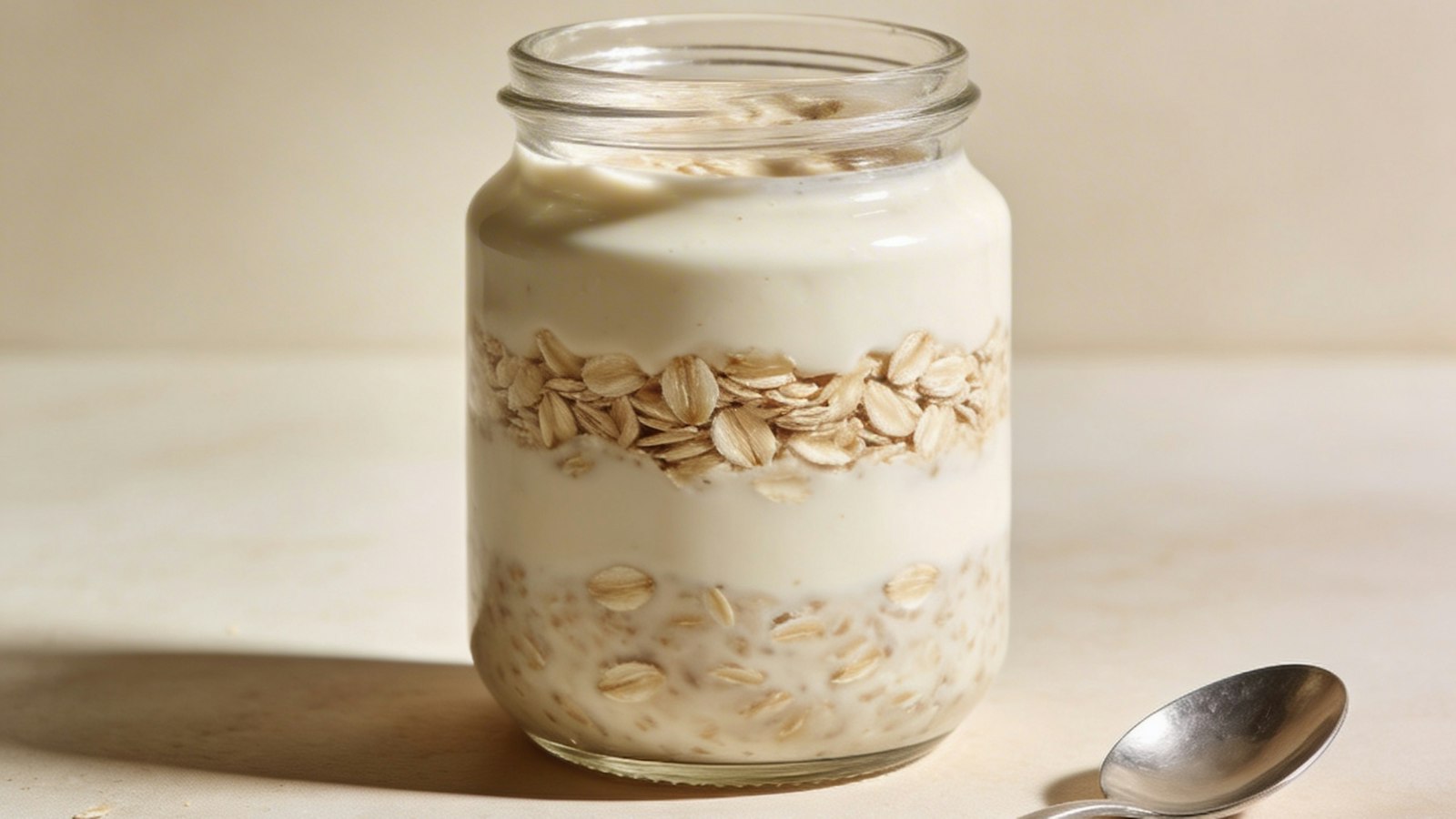
- Overnight oats. Add a spoonful to oats soaking in milk or yogurt.
- Yogurt or cottage cheese. Stir the seeds in and wait a few minutes while they soften.
- Smoothies. Blend them in, or let them soak in the liquid before blending.
- Baking. A "chia egg," a tablespoon of seeds mixed with a few tablespoons of water and left to gel, can stand in for an egg in muffins and quick breads.
- Soups and sauces. Stir them in as a thickener.
Chia pudding topped with berries also makes one of the more satisfying snacks that keep you full, because it combines fiber, some protein, and fat in one bowl. Sweeten it lightly: the 2025 to 2030 Dietary Guidelines for Americans recommend no amount of added sugars, and no more than 10 grams in a meal for teens and adults.
Is it dangerous to eat chia seeds dry?
It can be. Swallowing a spoonful of dry chia seeds and then drinking water is the one way of eating them that has caused real harm, because the seeds can swell into a thick gel inside your esophagus, the muscular tube that carries food from your throat to your stomach.
Doctors have reported a case in which a man swallowed dry seeds followed by water, and the expanding gel blocked his esophagus until it was cleared with an endoscope (a thin, flexible camera tube passed down the throat). He had a history of swallowing problems, which is exactly the group most at risk.
Simple habits avoid the problem:
- Soak seeds in liquid until they have fully gelled before eating them on their own.
- Mix them into moist foods such as yogurt, oatmeal, or smoothies rather than eating them by the spoonful.
- For young children, serve chia only well soaked and stirred into food.
- A light sprinkle on a salad or a moist dish is generally fine for most people. Mouthfuls of dry seeds are what cause trouble.
If food ever feels stuck in your throat or chest, get medical help rather than trying to wash it down with more water.
Who should be careful with chia seeds?
Most people can eat chia safely, but a few groups should take extra care or check with a doctor first.
- People with swallowing problems. Dysphagia, the medical term for difficulty or pain when swallowing, is more common in older adults and can follow a stroke or come with conditions such as Parkinson's disease or acid reflux (GERD), according to MedlinePlus. If this applies to you, eat chia only fully soaked and ask your doctor or speech-language pathologist whether it suits your diet.
- Anyone who has had food stuck in the esophagus, or who has been told their esophagus is narrowed.
- People adding fiber quickly. MedlinePlus warns that increasing fiber too fast can cause gas, bloating, and cramps. Add it over a few weeks and drink enough fluids.
- People taking blood thinners. Research on chia and blood thinners specifically is thin. NCCIH notes that flaxseed, another ALA-rich seed, might interact with anticoagulant or antiplatelet drugs, so if you take one and plan to eat chia in large amounts every day, mention it to your doctor or pharmacist.
- People with a bowel condition such as Crohn's disease or a past bowel blockage, who should follow the fiber advice their care team gives them.
How do chia seeds compare with flax and other seeds?
Chia leads on fiber, flax edges ahead on ALA, and hemp and pumpkin seeds lead on protein. MedlinePlus notes that ground flaxseed and flaxseed oil have the highest amount of ALA of all plant foods. All of these seeds are calorie-dense, so portion size matters.
| Seed (1 ounce, 28 g) | Calories | Fiber | Protein | ALA omega-3 | Good to know |
|---|---|---|---|---|---|
| Chia seeds, dried | About 138 | About 9.8 g | About 4.7 g | About 5.0 g | Gels in liquid; soak before eating on its own |
| Flaxseed | About 151 | About 7.7 g | About 5.2 g | About 6.5 g | Eat it ground; whole seeds can pass through undigested |
| Hemp seeds, hulled | About 157 | About 1.1 g | About 9.0 g | About 2.5 g | Soft texture; the fiber-rich shell has been removed |
| Pumpkin seed kernels, dried | About 158 | About 1.7 g | About 8.6 g | Trace | Crunchy topping for salads, soups, and yogurt |
| Sunflower seed kernels, dried | About 166 | About 2.4 g | About 5.9 g | Trace | Choose unsalted to keep sodium down |
Figures are calculated from USDA FoodData Central per-100-gram values for each seed and rounded. There is no need to pick a single winner. Rotating seeds gives you a broader mix of nutrients, and any of them can replace a less nutritious topping or snack.
When should you see a doctor?
Talk to your doctor if you have ongoing bloating, cramping, constipation, or diarrhea after adding chia or other high-fiber foods, pain or trouble when swallowing, or a feeling that food sticks on the way down. Those symptoms deserve a proper look whether or not chia is involved.
Call 911 or go to the emergency room if:
- Someone is choking: clutching the throat, unable to talk, struggling to breathe, or making high-pitched sounds when breathing in. MedlinePlus advises having someone call 911 while you start first aid.
- Food feels stuck in your throat or chest and you cannot swallow liquids or your own saliva.
- You have chest pain or trouble breathing, or signs of a severe allergic reaction such as swelling of the lips, tongue, or throat.
If you want help building more fiber into your meals around a health condition, ask your primary care provider for a referral to a registered dietitian (RD or RDN), who can tailor advice to your medicines, digestion, and goals.
Common questions
- What are the benefits of chia seeds?
- Chia seeds are an easy way to add fiber and ALA, a plant omega-3 fat, to your diet. One ounce provides about 9.8 grams of fiber, roughly a third of the Daily Value, plus some protein, calcium, magnesium, and iron. They can support digestion and fullness as part of a balanced diet, but research on chia itself is limited and they are not a cure for anything.
- How much chia seeds should I eat a day?
- There is no official recommended amount. A tablespoon or two a day is a sensible place to start for most adults, and one ounce is the serving size used in USDA data. If you are new to high-fiber foods, start small and increase over a few weeks while drinking enough fluids, since adding fiber too quickly can cause gas, bloating, and cramps.
- Do chia seeds need to be soaked?
- Not always, but soaking is the safest choice when you eat them on their own. Dry seeds absorb liquid and swell into a gel, and swallowing a spoonful dry and then drinking water has caused the gel to block the esophagus. Soak them until they have gelled, or mix them into moist foods such as yogurt, oatmeal, or smoothies.
- Do chia seeds help you lose weight?
- Not directly. Their fiber can help you feel full, which may make it easier to eat less, but an ounce also adds about 138 calories, and studies of chia have not shown a reliable effect on body weight. They are most useful when they replace a less filling food rather than being added on top of your usual diet.
- Are chia seeds or flaxseeds better?
- Both are good choices with different strengths. Per ounce, chia has more fiber, about 9.8 grams compared with about 7.7, while flax has slightly more ALA omega-3 fat. Flax is best eaten ground, while chia can be eaten whole once soaked. Rotating between them, or using both, is a reasonable approach.
- Who should not eat chia seeds?
- People with swallowing problems, a narrowed esophagus, or a history of food getting stuck should be cautious and eat chia only fully soaked, after checking with their doctor. Anyone taking a blood thinner who plans to eat large amounts every day should mention it to their doctor or pharmacist. People with a bowel condition should follow the fiber advice from their care team.
- Can chia seeds lower cholesterol?
- They can be part of a cholesterol-lowering diet, since they provide fiber and plant omega-3 fat, but there is not good evidence that chia alone lowers cholesterol. Broader changes matter more, such as keeping saturated fat under 10% of calories and eating more soluble fiber from oats, beans, and fruit. Ask your doctor whether you also need medication.
Sources
Published research and guidance this page draws on. Check the original where a detail matters to you.
- 1FoodData Central: Seeds, chia seeds, dried (FDC ID 170554) and other seed entriesU.S. Department of Agriculture, Agricultural Research Service
- 2Omega-3 fats: Good for your heartMedlinePlus Medical Encyclopedia
- 3Omega-3 Supplements: What You Need To KnowNational Center for Complementary and Integrative Health (NIH)
- 4Flaxseed and Flaxseed Oil: Usefulness and SafetyNational Center for Complementary and Integrative Health (NIH)
- 5FiberMedlinePlus Medical Encyclopedia
- 6Dietary FiberMedlinePlus, U.S. National Library of Medicine
- 7How to Lower Cholesterol with DietMedlinePlus, U.S. National Library of Medicine
- 8Daily Value on the Nutrition and Supplement Facts LabelsU.S. Food and Drug Administration
- 9Swallowing DisordersMedlinePlus, U.S. National Library of Medicine
- 10Choking: adult or child over 1 yearMedlinePlus Medical Encyclopedia
This article is for general education and is not a substitute for professional medical advice. Speak with a qualified healthcare provider about your individual circumstances.
About HealthPathCore
An independent health knowledge library
Every article here is built from published research and guidance issued by named health bodies, written in plain language, and dated so you can see how current it is. When the evidence moves, we come back and correct the piece.
How we research and write