Healthy Snacks That Actually Keep You Full
Why some snacks leave you hungry an hour later and others carry you to dinner. Learn the protein, fiber and volume formula, with easy snack ideas and swaps.
The short answer
Snacks keep you full when they pair protein with fiber, add some healthy fat, and have plenty of volume from water-rich foods. Greek yogurt with berries, apple with peanut butter, hummus with vegetables, roasted chickpeas or a hard-boiled egg with fruit tend to satisfy far longer than chips, cookies or sugary bars.
Key takeaways
- Snacks that pair protein with fiber usually keep you full longer than snacks made mainly of refined starch or sugar.
- Water-rich and airy foods such as fruit, vegetables and popcorn add volume that helps you feel satisfied for relatively few calories.
- The Daily Value for fiber is 28 grams, and most Americans fall short, so snacks are an easy place to add more.
- The protein RDA is 0.8 grams per kilogram of body weight a day, and spreading protein across the day may help with fullness.
- Sugary drinks and juice add calories without much satisfaction, so whole fruit and water are better swaps.
- Nuts, nut butter, cheese and dried fruit are nutritious but calorie-dense, so a small portion goes a long way.
- Constant hunger with thirst, frequent urination or weight changes is worth discussing with your doctor.
A good snack should carry you from one meal to the next without leaving you raiding the pantry an hour later. Many popular snacks fail that test because they are mostly refined starch and sugar, which digest quickly and leave little behind.
The good news is that the foods that keep you full share a few simple traits. Once you know them, you can build satisfying snacks from whatever is in your kitchen. This article explains the formula, gives practical ideas, and flags when constant hunger is worth raising with your doctor.
What makes a snack actually filling?
A snack keeps you full when it combines protein, fiber, some fat and enough volume. Each slows digestion or stretches the stomach in a way that signals you have eaten.
Protein is generally the most satisfying nutrient per calorie. Fiber, the part of plant foods your body cannot fully digest, adds bulk and slows how quickly food leaves the stomach. Fat slows digestion too, though it is calorie-dense, so small amounts go a long way. Volume comes from water and air in foods like fruit, vegetables and popcorn, which fill you up for relatively few calories.
This is the same thinking behind balanced everyday nutrition: whole foods that combine these traits tend to do the work for you.
Why do some snacks leave you hungrier?
Snacks made mainly of refined carbohydrates and added sugar, such as cookies, white crackers, candy and many granola bars, digest fast and contain little protein or fiber. You get a quick lift in energy, then hunger returns soon after.
Drinks are another trap. Sweetened coffee drinks, juice and soda can add a lot of calories without registering as food in the way chewing a meal does. The Dietary Guidelines for Americans recommend limiting added sugars, and the label Daily Value for added sugars is 50 grams, so a single large sweet drink can use up much of it.
If you find that you are hungry soon after nearly every meal and snack, it may help to read about why you might always feel hungry, since sleep, stress and meal patterns play a role too.
Which snacks keep you full the longest?
The most filling snacks pair a protein source with a fiber source. The table below compares common options by what makes them work.
| Snack | Protein | Fiber | Volume | Why it works |
|---|---|---|---|---|
| Plain Greek yogurt with berries | High | Moderate | Moderate | Protein-rich base plus fruit fiber |
| Apple slices with peanut butter | Moderate | High | High | Crunchy, chewy, fiber plus fat |
| Hummus with carrots and peppers | Moderate | High | High | Beans plus water-rich vegetables |
| Hard-boiled egg and an orange | High | Moderate | Moderate | Portable protein with fruit |
| Cottage cheese with pineapple | High | Low | Moderate | Very high protein for the portion |
| Roasted chickpeas | Moderate | High | Low | Crunchy, plant protein and fiber |
| Air-popped popcorn | Low | Moderate | Very high | Whole grain, lots of volume |
| Small handful of nuts | Moderate | Moderate | Low | Fat and protein, easy to carry |
| Edamame | High | High | Moderate | Rare snack high in both |
These are general ratings, not precise figures. Brands and portions vary, so check the Nutrition Facts label when you buy packaged versions.
How much protein should a snack have?
There is no official target for a snack, but including a real source of protein usually makes a noticeable difference. Think of an egg, a single-serve cup of Greek yogurt, a slice of cheese, a scoop of hummus, or a handful of nuts.
The Recommended Dietary Allowance for protein is 0.8 grams per kilogram of body weight a day for most adults, and most Americans meet it. Spreading protein across meals and snacks, rather than loading it all at dinner, may help you feel more satisfied through the day. For more detail, see how much protein you need.
How does fiber help you stay full?
Fiber adds bulk and slows digestion, so food stays with you longer. Soluble fiber, the kind found in oats, beans, apples and citrus, forms a gel in the gut, which is one reason these foods feel so satisfying.
The Daily Value for fiber is 28 grams, and most Americans fall well short of it. Snacks are an easy place to close the gap: fruit with the skin on, raw vegetables, beans, whole grains, nuts and seeds all count. Add fiber gradually and drink water with it, since a sudden jump can cause gas and bloating. There is more on this in the fiber most people are missing.
What are easy filling snack ideas?
The easiest approach is to pick one protein and one fiber source and put them together. Here are combinations that need little or no preparation.
Grab-and-go snacks
- A cheese stick and a pear
- A hard-boiled egg and a handful of cherry tomatoes
- A single-serve Greek yogurt and a banana
- A small bag of unsalted nuts and an apple
- Shelled edamame, steamed or bought ready to eat
Snacks for home or work
- Whole-grain toast with mashed avocado or peanut butter
- Cottage cheese with sliced peaches or cucumbers
- Hummus or bean dip with bell peppers, celery and carrots
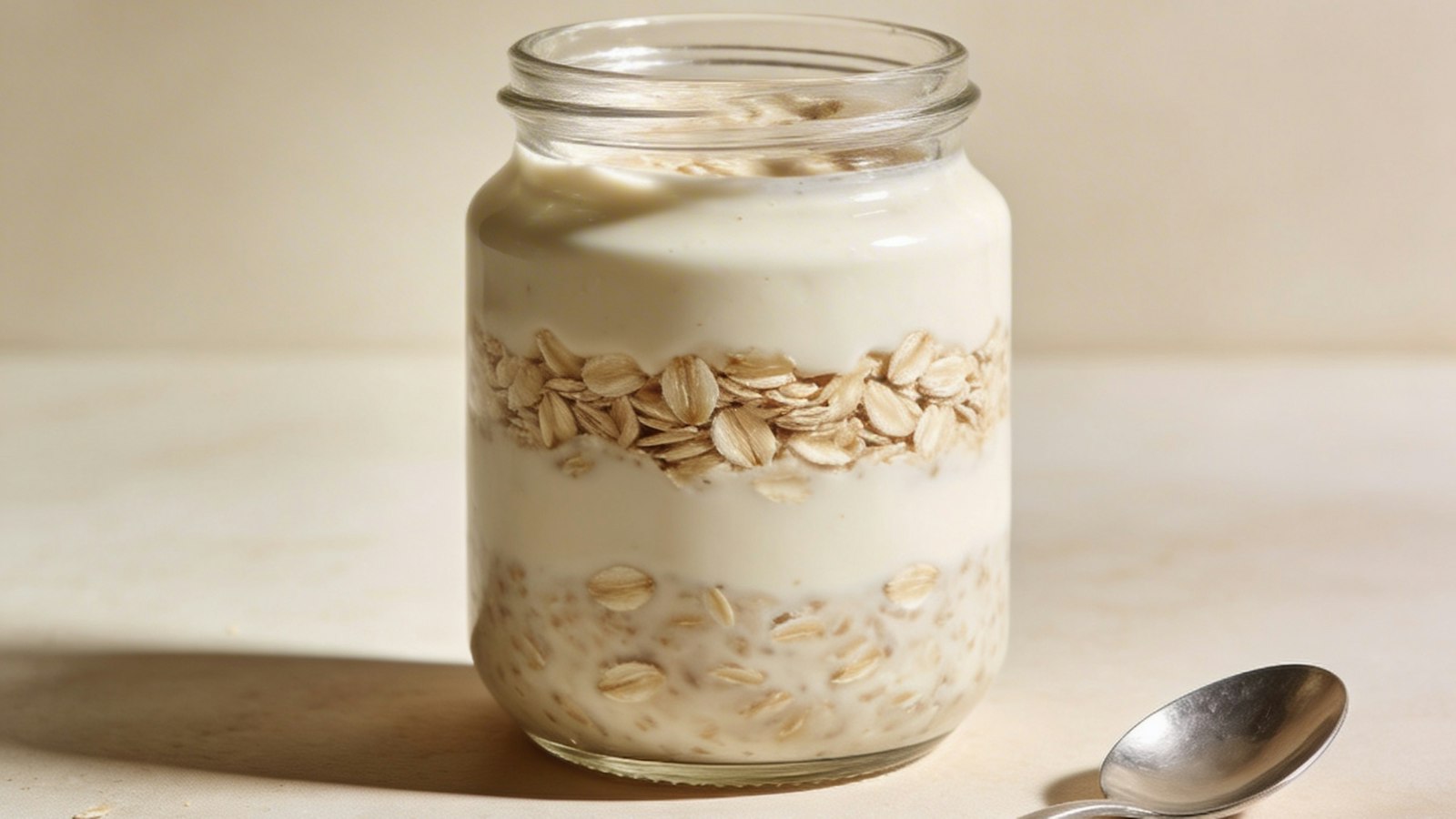
- Oatmeal with a spoonful of nut butter and berries
- Tuna or salmon on whole-grain crackers
Snacks for a sweet tooth
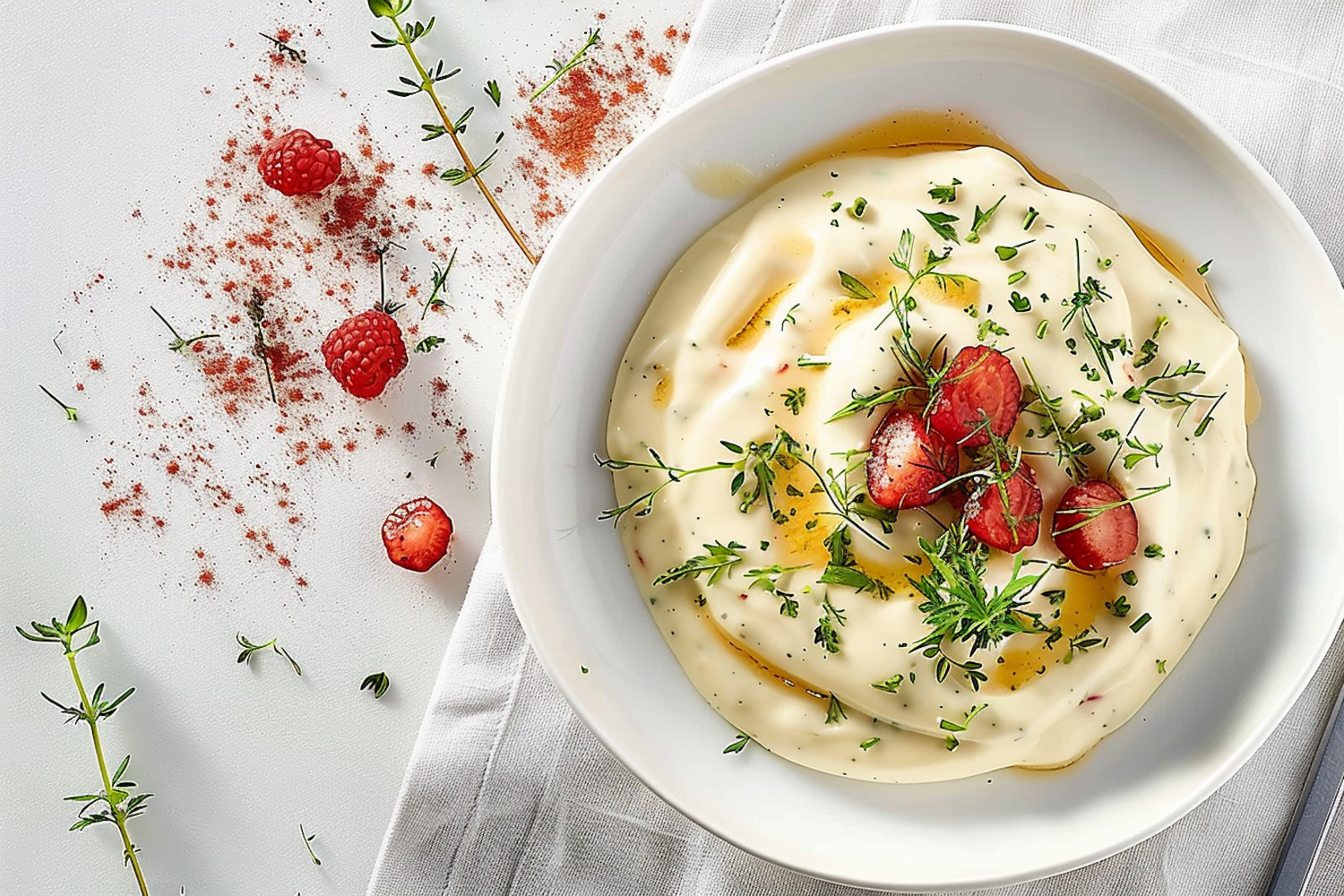
- Plain yogurt with frozen berries and a little cinnamon
- Dates or dried apricots with a few almonds
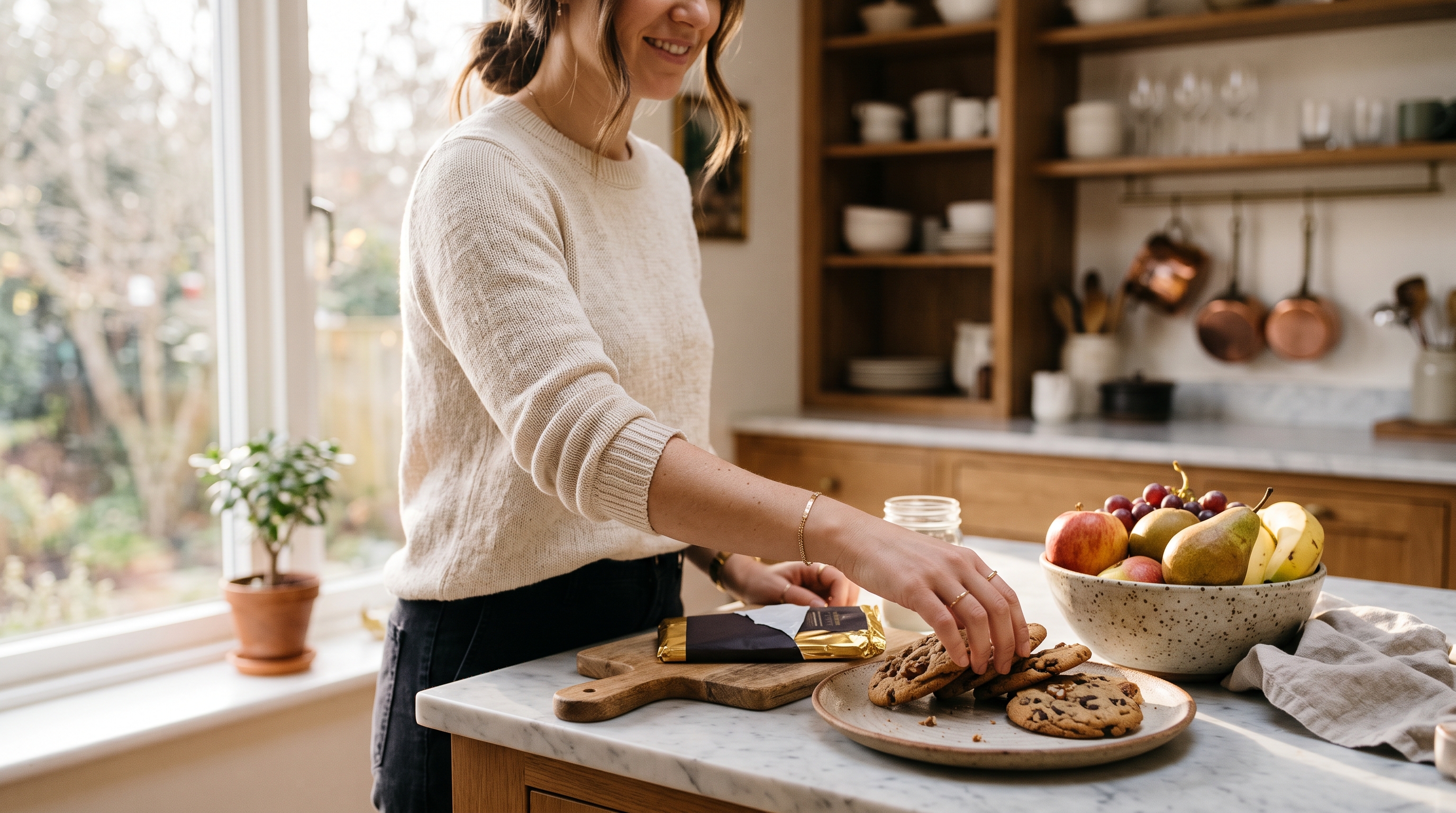
- A small square of dark chocolate with a handful of walnuts
- Frozen grapes or banana slices
Which snack swaps make the biggest difference?
Small swaps that add protein or fiber, or remove a sugary drink, usually make the biggest difference. You do not have to give up foods you enjoy; you can simply change what you pair them with.
| Instead of | Try | What you gain |
|---|---|---|
| Potato chips | Air-popped popcorn or roasted chickpeas | More fiber, more volume |
| Flavored yogurt | Plain Greek yogurt with fruit | More protein, less added sugar |
| Granola bar | Apple with peanut butter | More fiber, longer satisfaction |
| Fruit juice | Whole fruit and water | Fiber and chewing |
| Pastry with coffee | Whole-grain toast with egg | Protein and fiber |
| Crackers alone | Whole-grain crackers with cheese or hummus | Protein, staying power |
When is snacking a good idea?
Snacking helps when there is a long gap between meals, when you are physically active, or when getting very hungry leads you to overeat later. It is less helpful when it happens out of boredom, stress or habit.
Before reaching for food, it can help to ask whether you are physically hungry: a growling stomach, low energy or difficulty concentrating. If it is boredom or stress, a short walk, a glass of water or a break may meet the need. People who feel drowsy after meals may also find that adjusting the size and makeup of meals helps; see why you feel tired after eating.
Portion still matters, especially with nuts, nut butters, cheese and dried fruit, which are nutritious but calorie-dense. A small handful or a tablespoon or two is a sensible serving.
How can you plan snacks ahead so you are not stuck?
Planning a few snacks ahead is the simplest way to avoid grabbing whatever is nearby when hunger hits. Most less filling choices happen because they are the easiest option at that moment, not because you prefer them.
Spend ten minutes once or twice a week setting yourself up. Wash and cut vegetables and store them in clear containers at eye level in the refrigerator. Boil half a dozen eggs at once. Portion nuts or roasted chickpeas into small containers so you do not eat from a large bag. Keep a piece of fruit and a shelf-stable protein, such as a single-serve pouch of tuna or a small packet of nut butter, in your bag, car or desk drawer.
Reading labels helps too. When you compare packaged snacks, look at the Nutrition Facts label for protein, dietary fiber and added sugars per serving, and check the serving size, since a bag that looks like one portion often holds two or more. A snack with a few grams of fiber and some protein, and little added sugar, is usually the better pick.
Finally, think about timing. A snack in the mid-afternoon, a few hours after lunch and a few hours before dinner, often prevents the kind of hunger that leads to overeating in the evening.
When should you talk to your doctor about hunger?
Talk to your doctor if you are hungry all the time despite eating regular, balanced meals, or if hunger comes with other changes. Constant hunger is usually about food choices, sleep or stress, but sometimes it points to a medical issue.
Make an appointment if you notice:
- Constant hunger with increased thirst and frequent urination, which can be signs of diabetes
- Unexplained weight loss or weight gain
- Shakiness, sweating or confusion between meals
- Hunger alongside a racing heart, heat intolerance or anxiety
- A sense that your eating feels out of control, or guilt and secrecy around food
If eating feels out of control, NEDA offers a free screening tool and support resources. If you have diabetes and develop confusion, fainting or severe shakiness from low blood sugar that does not improve with treatment, call 911. A registered dietitian (RD or RDN) can also help you plan snacks around a health condition, your schedule and your preferences.
The simplest rule to remember is this: pair a protein with a plant, and choose food you chew over food you sip. Most of the time, that is enough to keep you full until your next meal.
Common questions
- What snack keeps you full the longest?
- Snacks that combine protein and fiber usually keep you full the longest. Good examples are Greek yogurt with berries, apple with peanut butter, hummus with vegetables, edamame, or a hard-boiled egg with fruit. Adding volume from water-rich produce helps too. Highly refined snacks like chips and cookies tend to wear off much sooner.
- Is it healthy to snack between meals?
- Snacking can be healthy when it fills a long gap between meals, fuels activity, or stops you from getting so hungry you overeat later. It is less helpful when driven by boredom or stress. Choose snacks with protein and fiber, keep calorie-dense foods to small portions, and check whether you are truly hungry first.
- Are nuts a good snack for weight loss?
- Nuts can fit well into a weight loss plan because their protein, fiber and fat are satisfying. They are calorie-dense, though, so portion matters. A small handful is a sensible serving. Unsalted or lightly salted nuts are a better choice than candied or heavily salted versions, especially if you watch sodium.
- Why am I still hungry after a snack?
- You may still be hungry if the snack was mostly refined carbs or sugar with little protein or fiber, if it was a drink rather than food, or if the portion was very small. Poor sleep, stress and skipped meals also raise hunger. Try pairing a protein with a fruit or vegetable next time.
- Is popcorn a healthy snack?
- Air-popped popcorn is a whole grain with fiber and a lot of volume, so it can be a filling, lower-calorie snack. Movie theater and microwave versions can carry a lot of butter, salt and saturated fat. Make it at home with a little oil or seasoning, and pair it with cheese or nuts for protein.
- What is a good high-protein snack without meat?
- Greek yogurt, cottage cheese, eggs, cheese, edamame, roasted chickpeas, hummus, lentil or bean dips, nuts, seeds and nut butters are all good high-protein snacks without meat. Pair them with fruit, vegetables or whole grains to add fiber, which helps the snack keep you full for longer.
Sources
Published research and guidance this page draws on. Check the original where a detail matters to you.
- 1Dietary Guidelines for AmericansUSDA and HHS
- 2MyPlate: Healthy Eating on a Budget and Snack TipsUSDA MyPlate
- 3Dietary FiberMedlinePlus
- 4Daily Value on the Nutrition and Supplement Facts LabelsFDA
- 5How to Understand and Use the Nutrition Facts LabelFDA
- 6Diabetes SymptomsNIDDK
- 7ProteinMedlinePlus
- 8Snacks for adultsMedlinePlus Medical Encyclopedia
This article is for general education and is not a substitute for professional medical advice. Speak with a qualified healthcare provider about your individual circumstances.
About HealthPathCore
An independent health knowledge library
Every article here is built from published research and guidance issued by named health bodies, written in plain language, and dated so you can see how current it is. When the evidence moves, we come back and correct the piece.
How we research and write