Foods That Lower Cholesterol: A Practical List
A practical list of foods that lower LDL cholesterol, from oats, beans and nuts to plant sterols and fatty fish, plus simple swaps and when diet alone is not enough.
The short answer
Foods that lower cholesterol include oats, barley, beans and other soluble fiber sources, nuts, unsaturated oils used in place of butter and other saturated fats, foods with added plant sterols, and fatty fish. Together they can lower LDL, but diet alone is not always enough, and some people also need a statin or other medicine.
Key takeaways
- LDL cholesterol builds plaque in artery walls, while HDL carries cholesterol back to the liver, so diet changes mainly aim to lower LDL.
- Soluble fiber from oats, barley, beans, lentils and fruit reduces how much cholesterol your gut absorbs, and the TLC diet aims for 10 to 25 grams a day.
- The Dietary Guidelines for Americans advise keeping saturated fat under 10% of daily calories, which is about 22 grams on a 2,000-calorie diet.
- Replacing butter, fatty meat and full-fat dairy with olive or canola oil, fish, beans and low-fat dairy is one of the most effective swaps for lowering LDL.
- Plant sterols and stanols, eaten with meals at about 2 grams a day, block some cholesterol absorption and usually come from fortified foods.
- Fatty fish such as salmon and sardines supplies omega-3 fats that mainly lower triglycerides, and the Dietary Guidelines suggest at least 8 ounces of seafood a week.
- Diet may not be enough for very high LDL, familial hypercholesterolemia or existing heart disease, and whether you need a statin is a decision for you and your doctor.
- Chest pain or pressure, pain spreading to the arm or jaw, or sudden weakness or trouble speaking means calling 911 right away.
If a blood test has shown high cholesterol, what you eat is one of the first things worth changing. Some foods actively help lower LDL cholesterol, and cutting back on others removes the biggest dietary driver of it.
This list covers the foods with the best support, how each one is thought to work, and where diet stops being enough. It can help you plan meals and prepare questions for your doctor, but it cannot tell you what your own numbers mean for your heart.
What are LDL and HDL cholesterol?
LDL (low-density lipoprotein) is often called "bad" cholesterol, and HDL (high-density lipoprotein) is often called "good" cholesterol. Both are lipoproteins, tiny particles of fat and protein that carry cholesterol through your blood.
According to NHLBI, too much LDL lets fatty plaque build up in your arteries, which can lead to a heart attack or stroke. HDL does the opposite job: it carries cholesterol back to your liver so your body can get rid of it. That is why most dietary advice focuses on bringing LDL down.
A cholesterol test, called a lipid panel (a blood test that usually measures total cholesterol, LDL, HDL and triglycerides, a type of fat in your blood), gives you these numbers together. High cholesterol does not usually cause symptoms, and the CDC notes that the only way to know whether you have it is to get your cholesterol checked.
Which foods lower cholesterol the most?
The foods with the strongest support are those rich in soluble fiber (oats, barley, beans and lentils), nuts, unsaturated oils used in place of saturated fat, foods with added plant sterols, and fatty fish. None of them works like a medicine on its own, but together they can move LDL in the right direction.
The overall pattern matters more than any single food. The two eating plans NHLBI recommends for lowering LDL, the Therapeutic Lifestyle Changes (TLC) diet and the DASH plan, both build meals around vegetables, fruit, whole grains, legumes, nuts and lean protein, the same foundation laid out in our complete guide to eating well.
In practice, that means building a balanced plate with plenty of vegetables and fruit, a whole grain such as oats or barley, and a lean protein such as beans, fish or chicken. The table below shows where each cholesterol-friendly food fits.
| Food | What it contains | How it may help | Easy ways to eat it |
|---|---|---|---|
| Oats and oat bran | Soluble fiber (beta-glucan) | Reduces how much cholesterol your gut absorbs | Oatmeal, overnight oats, oat bran in baking |
| Barley | Soluble fiber (beta-glucan) | Works the same way as oat fiber | In soups, pilafs and grain bowls |
| Beans, lentils and chickpeas | Soluble fiber and plant protein | Adds fiber and can replace fatty meat | Chili, lentil soup, hummus, bean salads |
| Apples, pears, oranges and prunes | Soluble fiber | Adds to your daily soluble fiber total | Whole fruit with breakfast or as a snack |
| Nuts such as walnuts and almonds | Unsaturated fat, fiber and plant sterols | May modestly lower LDL, especially in place of chips or sweets | A small handful as a snack or on oatmeal |
| Olive, canola, safflower and sunflower oils | Unsaturated fat | Lowers LDL when used instead of butter, lard or shortening | Cooking, roasting and salad dressings |
| Avocado | Monounsaturated fat and fiber | Replaces saturated fat spreads | On toast instead of butter, in salads |
| Foods with added plant sterols or stanols | Plant sterols and stanols | Block some cholesterol absorption | Fortified spreads, juice or yogurt drinks with meals |
| Salmon, sardines, trout and herring | Omega-3 fats (EPA and DHA) | Mainly lowers triglycerides and replaces red or processed meat | Baked or grilled, about twice a week |
| Tofu, edamame and soy milk | Plant protein | May help a little, mostly by replacing meat and full-fat dairy | Stir-fries, snacks, with cereal |
How does soluble fiber lower cholesterol?
Soluble fiber (the type of fiber that dissolves in water and forms a gel in your gut) lowers LDL by reducing how much cholesterol your digestive tract absorbs. MedlinePlus describes it as helping prevent your digestive tract from absorbing cholesterol, so less of it ends up in your blood.
The TLC diet, as summarized by MedlinePlus, aims for 10 to 25 grams of soluble fiber a day. The richest everyday sources are:
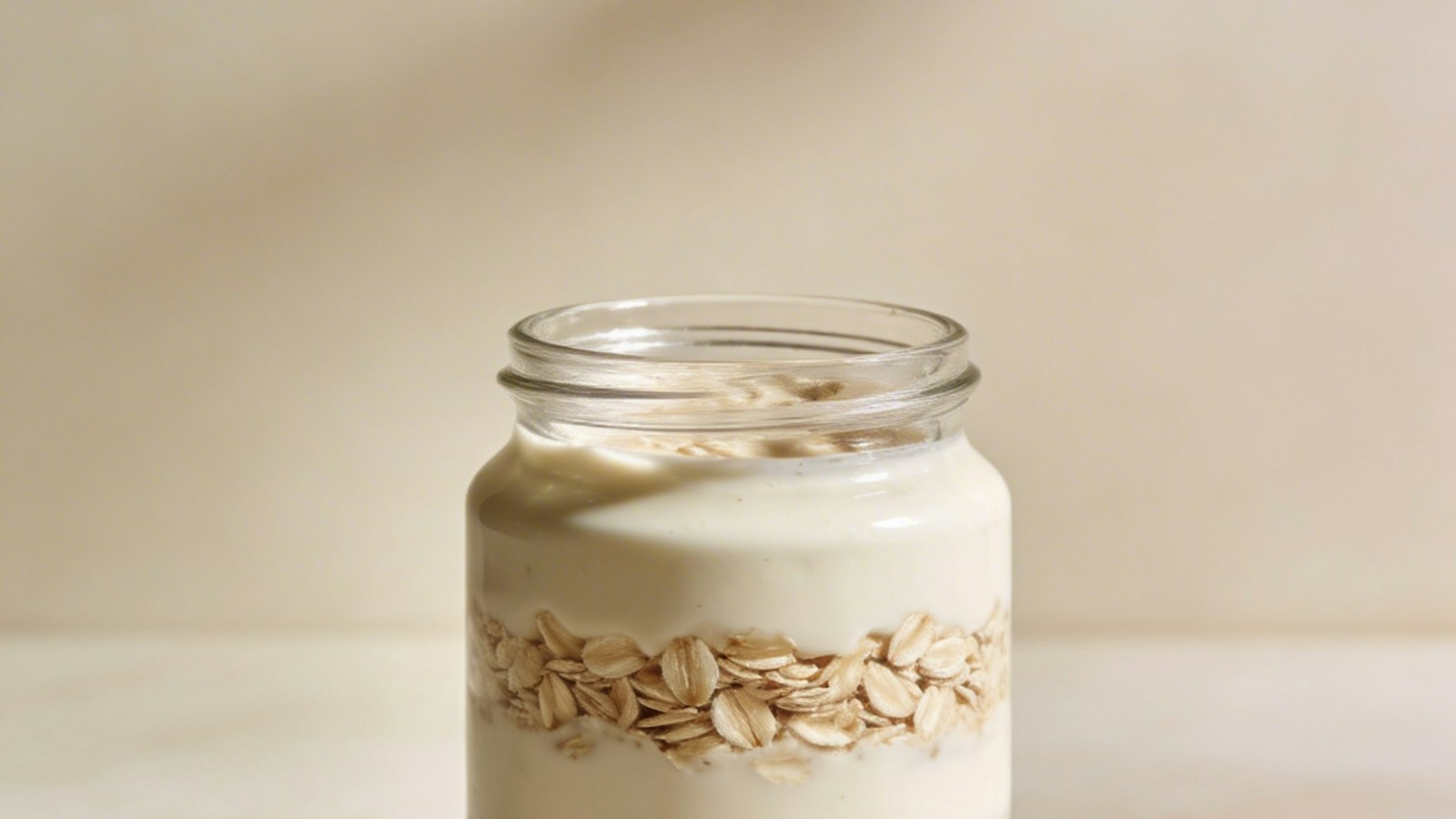
- Oats and oat bran: oatmeal, overnight oats and oat bran all provide beta-glucan, the soluble fiber in oats. Plain rolled or steel-cut oats avoid the added sugar in many flavored packets.
- Barley: barley contains the same kind of soluble fiber, and the FDA allows qualifying whole oat and barley foods to carry a health claim linking that fiber to a lower risk of heart disease.
- Beans, lentils and chickpeas: kidney beans, lentils, chickpeas, black-eyed peas and lima beans add soluble fiber and can replace fattier protein at the same meal.
- Fruit: apples, bananas, oranges, pears and prunes all contribute.
Total fiber counts too. The Daily Value on Nutrition Facts labels is 28 grams, and most Americans eat far less fiber than that. Increase it over a few weeks and drink enough fluid, because a sudden jump can cause gas and bloating.
Do nuts really help lower cholesterol?
Nuts can modestly lower LDL, particularly when they replace snacks high in saturated fat or refined starch. They supply unsaturated fats, fiber and plant sterols in one package, and NHLBI's heart-healthy eating advice includes eating a variety of nuts.
The FDA allows a qualified health claim for nuts, worded to say that the evidence suggests but does not prove that eating them as part of a diet low in saturated fat and cholesterol may reduce the risk of heart disease. That is a fair summary of where the science sits.
Portion is the catch. Nuts are calorie dense, so a small handful of about 1 to 1.5 ounces is a sensible serving, and unsalted versions keep sodium down. Walnuts also contain ALA, a plant form of omega-3 fat, although MedlinePlus notes that plant sources provide less omega-3 than fish.
Why does swapping saturated fat for unsaturated fat matter?
Swapping saturated fat for unsaturated fat is one of the most effective diet changes for LDL, because saturated fat raises LDL more than anything else in your diet, according to MedlinePlus. The Dietary Guidelines for Americans advise keeping saturated fat under 10% of your daily calories.
On a 2,000-calorie day, 10% works out to about 22 grams of saturated fat. If your LDL is already high, the TLC plan sets a stricter goal of under 7% of calories, which MedlinePlus puts at about 13 grams a day on 2,000 calories. Your doctor or a registered dietitian can tell you which goal fits you.
Saturated fat is concentrated in fatty and processed meats, butter, cheese, whole-milk dairy, coconut and palm oils, pastries and fried foods, which is why several of them appear on the list of foods worth eating less often. Unsaturated fats, found in olive, canola, safflower and sunflower oils, avocado, nuts, seeds and fish, are the replacement.
Trans fats raise LDL and lower HDL at the same time. The FDA has acted to remove artificial trans fats (partially hydrogenated oils) from the US food supply, so they are far less common than they were, but small amounts still occur naturally in meat and dairy.
These everyday swaps cut saturated fat without making meals feel like a diet:
| Instead of | Try | Why it helps |
|---|---|---|
| Butter, lard or shortening for cooking | Olive, canola or sunflower oil | Replaces saturated fat with unsaturated fat |
| Bacon, sausage or salami | Fish, skinless chicken, beans or tofu | Cuts saturated fat and sodium |
| Whole milk and full-fat cheese | Low-fat or fat-free milk, yogurt and cheese | Lowers saturated fat per serving |
| Sugary cereal or white toast | Plain oatmeal or a barley-based cereal | Adds soluble fiber |
| Chips, cookies or pastries | A small handful of unsalted nuts or a piece of fruit | Adds unsaturated fat or fiber |
| All-beef chili | Chili made with beans and a little lean meat | Adds soluble fiber and cuts saturated fat |
Do plant sterols and stanols lower cholesterol?
Plant sterols and stanols can lower LDL. They are natural compounds in plants with a structure similar to cholesterol, so they compete with it for absorption in your gut and less cholesterol reaches your blood. MedlinePlus notes that, taken with meals, they can reduce cholesterol levels.
The TLC plan aims for about 2 grams a day. Whole grains, nuts, legumes and olive or avocado oil all contain small amounts, but reaching 2 grams usually means eating foods with sterols added, such as certain spreads, orange juice or yogurt drinks.
- Eat them with a meal, because they work by mixing with food in your gut.
- Check the label for the amount per serving so you know how much you are getting.
- Use them on top of cutting saturated fat, not instead of it.
- Talk to your doctor first if you are pregnant or breastfeeding, if you are buying for a child, or if you are considering any cholesterol supplement.
Is fatty fish good for cholesterol?
Fatty fish is good for your heart, but it mainly lowers triglycerides rather than LDL. Its omega-3 fats, EPA and DHA, reduce triglyceride levels, and eating fish in place of red or processed meat also cuts the saturated fat that pushes LDL up.
MedlinePlus suggests fatty fish such as salmon and tuna about twice a week, and the Dietary Guidelines for Americans advise adults to eat at least 8 ounces of a variety of seafood a week. According to NCCIH, the evidence for benefits from eating seafood is stronger than the evidence for omega-3 supplements, possibly because fish brings other nutrients and replaces less healthy foods on the plate.
Choose lower-mercury fish such as salmon, sardines, trout and herring, especially if you are pregnant or breastfeeding. Bake, grill or broil it rather than deep-frying, which adds back the fat you are trying to cut.
Fish oil capsules are a separate question. NCCIH notes that prescription omega-3 medicines for very high triglycerides differ from over-the-counter supplements, so ask your doctor before relying on either.
How much can diet lower your cholesterol?
Diet can lower LDL meaningfully for many people, but how much depends on your starting level, your genes and how many changes you combine. NHLBI notes that both inherited genes and daily habits strongly affect cholesterol levels, so two people eating the same way can end up with different numbers.
Changes add up. Cutting saturated fat, adding soluble fiber and including plant sterols each work through a different route, so combining them tends to do more than any one alone. Give the changes a few months before your doctor rechecks your levels, and keep them going afterward, because levels tend to drift back if old habits return.
Other habits help too. NHLBI lists regular physical activity, a modest weight loss of 3% to 5% if you carry extra weight, quitting smoking, 7 to 9 hours of sleep, managing stress and limiting alcohol. The Physical Activity Guidelines for Americans recommend 150 to 300 minutes of moderate activity a week plus two days of strength work, and everyday walking counts toward that total.
When is diet not enough to lower cholesterol?
Diet may not be enough if your LDL is very high, if high cholesterol runs in your family, or if you already have heart disease, diabetes or other risk factors. In those cases a statin or another medicine may be needed, and that is a decision for you and your doctor, not something a food list can settle.
Statins are the most commonly used cholesterol medicine. According to MedlinePlus and NHLBI, they reduce how much cholesterol your liver makes and lower the risk of heart attack and stroke. Most people have no side effects; less common ones include muscle aches and a raised chance of type 2 diabetes, mainly in people already at high risk.
Other options include ezetimibe (which blocks cholesterol absorption in the gut), bile acid sequestrants, bempedoic acid and PCSK9 inhibitors (injected medicines that help the liver clear LDL). Familial hypercholesterolemia, an inherited condition that causes very high LDL from birth, usually needs medicine as well as diet.
If you start a medicine, keep eating this way. NHLBI stresses that heart-healthy habits should continue alongside medication, and grapefruit and some supplements can interact with statins, so mention everything you take. Never stop a prescribed statin without talking to your doctor first.
When should you see a doctor or call 911?
See your doctor if you have never had a cholesterol test, if it has been several years since your last one, or if a past result was high and you want to know whether diet alone is a reasonable plan. The CDC advises asking your health care team how often you should be screened.
Book a visit sooner if you have a family history of early heart disease or very high cholesterol, yellowish fatty bumps on your skin, tendons or eyelids, or conditions such as diabetes, high blood pressure or kidney disease. A registered dietitian (RD or RDN) can turn this list into a plan that suits your tastes and budget.
Call 911 right away for warning signs of a heart attack or stroke, both of which high LDL makes more likely:
- Chest pain, pressure, squeezing or fullness that lasts more than a few minutes or goes away and comes back
- Pain or discomfort spreading to one or both arms, the back, neck, jaw or stomach
- Shortness of breath, a cold sweat, nausea or lightheadedness
- Sudden face drooping, weakness in an arm or leg, or trouble speaking
- Sudden confusion, trouble seeing, or a severe headache with no known cause
Do not drive yourself to the hospital. This article can help you understand your options, but it cannot diagnose you or replace a conversation with your doctor about your own numbers.
Common questions
- What is the fastest way to lower cholesterol naturally?
- The quickest dietary gains usually come from combining changes: cutting saturated fat from fatty meat, butter and full-fat dairy, adding soluble fiber from oats, barley and beans, and eating foods with added plant sterols. Each works differently, so together they do more than any one alone. Your doctor will usually recheck your levels after a few months. If LDL is very high, medicine may also be needed.
- Are eggs bad for cholesterol?
- For most people, eggs matter less than saturated fat, which MedlinePlus says raises LDL more than anything else in your diet. Egg yolks do contain dietary cholesterol, and the TLC diet keeps it under 200 mg a day for people with high LDL. What you eat with eggs matters too, since bacon, sausage and butter add saturated fat. Ask your doctor or a dietitian how many fit your plan.
- Does oatmeal really lower cholesterol?
- Oatmeal can help lower LDL cholesterol because oats contain beta-glucan, a soluble fiber that reduces how much cholesterol your gut absorbs. The FDA allows qualifying whole oat foods to carry a heart health claim. Plain rolled or steel-cut oats work best, since flavored instant packets often add sugar. A daily bowl helps most as part of a wider eating pattern low in saturated fat.
- Can I lower my cholesterol without statins?
- Many people can lower LDL with diet, physical activity, weight loss and quitting smoking, and these steps help everyone. But diet may not be enough if your LDL is very high, if high cholesterol runs in your family, or if you already have heart disease or diabetes. Whether you need a statin depends on your overall risk, which is a decision to make with your doctor.
- What foods raise LDL cholesterol the most?
- Foods high in saturated fat raise LDL the most, according to MedlinePlus. The main sources are fatty and processed meats, butter, cheese, whole-milk dairy, coconut and palm oils, pastries and fried foods. Keeping saturated fat under 10% of daily calories, as the Dietary Guidelines advise, and replacing it with unsaturated oils, nuts, fish and beans helps bring LDL down.
- Do plant sterol spreads lower cholesterol?
- Plant sterol and stanol spreads can lower LDL cholesterol when you eat them with meals, because they compete with cholesterol for absorption in your gut. The TLC diet aims for about 2 grams a day, which usually requires fortified foods. They work best alongside a diet low in saturated fat, not as a replacement for it. Check with your doctor first if you are pregnant or buying for a child.
- How long does it take to lower cholesterol with diet?
- Cholesterol responds to diet changes over weeks to a few months rather than days, and how far it falls depends on your starting point, your genes and how many changes you combine. Doctors typically recheck a lipid panel a few months after you change your diet or start a medicine. Keep the changes going, because levels tend to drift back up if old habits return.
Sources
Published research and guidance this page draws on. Check the original where a detail matters to you.
- 1How to Lower Cholesterol with DietMedlinePlus, U.S. National Library of Medicine
- 2How to Lower CholesterolMedlinePlus, U.S. National Library of Medicine
- 3Facts about trans fats, including the saturated fat limitMedlinePlus Medical Encyclopedia
- 4StatinsMedlinePlus, U.S. National Library of Medicine
- 5Cholesterol MedicinesMedlinePlus, U.S. National Library of Medicine
- 6What Is Blood Cholesterol?National Heart, Lung, and Blood Institute (NIH)
- 7Blood Cholesterol: TreatmentNational Heart, Lung, and Blood Institute (NIH)
- 8About CholesterolCenters for Disease Control and Prevention
- 9Omega-3 Supplements: What You Need To KnowNational Center for Complementary and Integrative Health (NIH)
- 10Prevention and Treatment of High CholesterolAmerican Heart Association
This article is for general education and is not a substitute for professional medical advice. Speak with a qualified healthcare provider about your individual circumstances.
About HealthPathCore
An independent health knowledge library
Every article here is built from published research and guidance issued by named health bodies, written in plain language, and dated so you can see how current it is. When the evidence moves, we come back and correct the piece.
How we research and write