How Much Caffeine Is Too Much? Signs and Safe Limits
The FDA's 400 mg daily caffeine limit explained, with approximate caffeine in coffee, tea, soda and energy drinks, signs you have had too much, pregnancy and teen guidance, and when to call 911.
The short answer
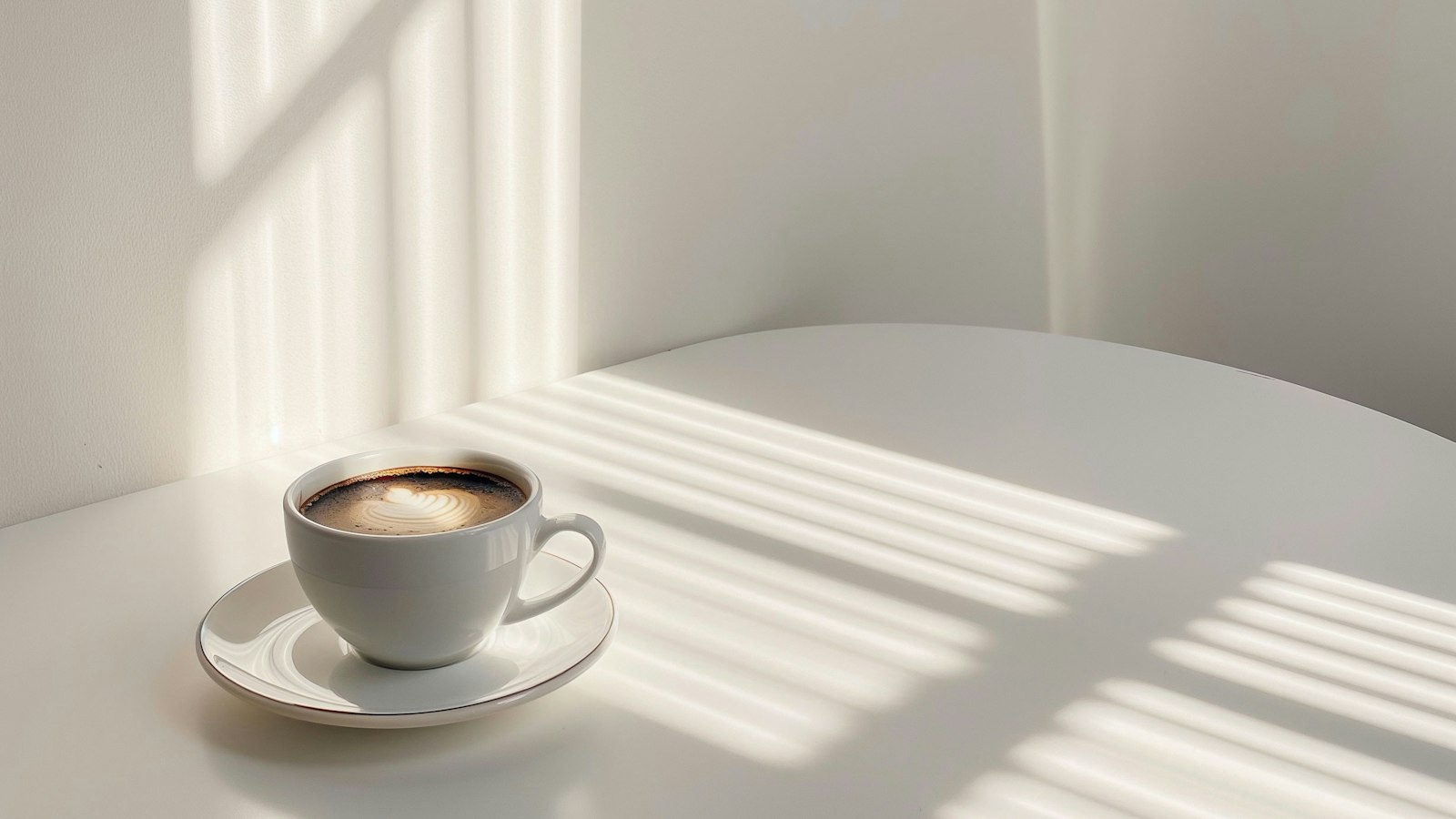
For most healthy adults, the FDA considers up to 400 mg of caffeine a day, about two to three 12-ounce cups of brewed coffee, an amount not generally linked to harmful effects. Too much shows up as jitters, a racing heart, poor sleep, anxiety, or an upset stomach. Pregnant people should stay under 200 mg a day.
Key takeaways
- The FDA cites 400 mg of caffeine a day, roughly two to three 12-ounce cups of brewed coffee, as an amount not generally associated with negative effects for healthy adults.
- A 12-ounce cup of brewed coffee can hold about 113 to 247 mg of caffeine and a 16-ounce energy drink about 54 to 328 mg, so size and brand matter more than the number of drinks.
- Common signs of too much caffeine include jitters, a fast or pounding heartbeat, insomnia, anxiety, and an upset stomach.
- ACOG advises keeping caffeine under 200 mg a day during pregnancy, which a single strong cup of coffee can exceed.
- Experts cited by the FDA advise against energy drinks for children and teens because of their caffeine and sugar content.
- One teaspoon of pure powdered caffeine can contain about as much caffeine as 28 cups of coffee, and the FDA calls these products a significant public health threat.
- Cutting back gradually over a week or two helps avoid withdrawal headaches, drowsiness, and irritability.
- Call 911 if a racing or irregular heartbeat comes with chest pain, fainting, trouble breathing, or a seizure.
Caffeine is in the coffee, tea, soda and energy drinks that many Americans reach for every day, and for most people it is a harmless part of the routine. The trouble starts when the dose creeps up without you noticing: a large coffee, an afternoon energy drink, a scoop of pre-workout powder, and suddenly your hands are shaking and your heart is pounding.
This guide explains the daily limit the FDA uses for healthy adults, how much caffeine common drinks contain, the signs you have gone past your own threshold, and when a racing heart needs emergency care. It can help you make sense of what you are feeling and decide what to do next, but it cannot diagnose you.
How much caffeine is too much in a day?
For most healthy adults, the FDA cites 400 milligrams (mg) of caffeine a day as an amount not generally associated with dangerous or negative effects. That is roughly two to three 12-ounce cups of brewed coffee, depending on how strong it is.
Think of 400 mg as a general ceiling, not a target or a personal guarantee. The FDA notes that people vary widely in how sensitive they are to caffeine and how quickly they clear it, so some people feel wired and sleep badly on far less.
Some groups should aim lower from the start:
- People who are pregnant, trying to conceive, or breastfeeding, who should follow the lower pregnancy limit and ask their provider.
- Children and teens, for whom there is no official US limit and experts discourage energy drinks.
- People with heart rhythm problems, high blood pressure, or an anxiety disorder, whose symptoms caffeine can worsen.
- People taking medications that interact with caffeine, which your pharmacist can check for you.
Caffeine is not a nutrient your body needs, so it sits outside most of the basics of eating well. The real question is how much you tolerate comfortably. If you regularly feel unwell after caffeine, your personal limit is below 400 mg, whatever a chart says.
How much caffeine is in coffee, tea, soda and energy drinks?
According to FDA figures, a 12-ounce cup of brewed coffee typically holds about 113 to 247 mg of caffeine, a 12-ounce soda about 23 to 83 mg, and a 16-ounce energy drink anywhere from about 54 to 328 mg. Energy drinks vary the most, and the strongest can match a large coffee in a single can.
All of these are approximate ranges. Caffeine changes with the bean or leaf, the brewing method, steeping time and serving size, and coffee-shop cups are often 16 ounces or larger. Use the table as a rough guide rather than a precise count.
| Drink or product | Serving | Approximate caffeine |
|---|---|---|
| Brewed coffee | 12 ounces | About 113 to 247 mg |
| Brewed coffee | 6-ounce cup | About 75 to 100 mg |
| Decaf coffee | 8 ounces | About 2 to 15 mg |
| Black tea | 12 ounces | Around 70 mg, more with longer steeping |
| Green tea | 12 ounces | Around 35 to 40 mg |
| Caffeinated soda | 12 ounces | About 23 to 83 mg |
| Energy drink | 16 ounces | About 54 to 328 mg |
| Energy shot | 2 to 2.5 ounces | About 113 to 200 mg |
| Dark chocolate | 1 ounce | About 10 mg |
| Pure powdered caffeine | 1 teaspoon | About as much as 28 cups of coffee |
Caffeine also turns up in less obvious places. Some headache pain relievers, cold medicines, weight-loss products and pre-workout powders contain it, as do ingredients such as guarana, yerba mate and kola nut. The National Center for Complementary and Integrative Health (NCCIH), part of NIH, notes that energy drink labels have not always been required to list the caffeine amount, so check the label and the maker's website before you assume.
What are the signs you have had too much caffeine?
The most common signs of too much caffeine are jitters or shaky hands, a fast or pounding heartbeat, trouble sleeping, anxiety or restlessness, and an upset stomach. The FDA and MedlinePlus also list palpitations (the feeling that your heart is pounding, fluttering, or skipping beats), headache, nausea, and needing to urinate more often.
These effects tend to appear soon after a large dose, because caffeine reaches its peak level in the blood within about an hour, and they ease over several hours as your body clears it. How strongly you feel them depends on the dose, your usual intake, and your own sensitivity.
| Sign | What it can feel like | What usually helps |
|---|---|---|
| Jitters or tremor | Shaky hands, feeling wired, unable to sit still | Stop caffeine for the day, drink water, eat a snack, take a short walk |
| Fast heartbeat or palpitations | A pounding, fluttering, or skipping feeling in your chest | Sit and rest; call 911 if it comes with chest pain, fainting, or trouble breathing |
| Insomnia | Lying awake, light or broken sleep, waking too early | Move caffeine to the morning and lower the daily total |
| Anxiety or restlessness | Racing thoughts, a sense of dread, irritability | Cut back gradually; slow breathing can take the edge off |
| Upset stomach | Nausea, heartburn, loose stools | Avoid caffeine on an empty stomach and reduce the dose |
| Headache | A dull or throbbing ache | Can come from too much caffeine or from suddenly stopping it |
MedlinePlus lists caffeine among the common everyday triggers of palpitations, alongside nicotine, stress, and some decongestants and diet pills. Most palpitations are not serious, but the ones that come with other symptoms need urgent care, as the final section explains.
Sleep is the effect people most often miss, because it shows up the next day as tiredness that sends them back to the coffee pot. Caffeine can stay active for hours, so an afternoon drink may still be working at bedtime, and poor sleep affects mood and focus as well as energy.
Anxiety is the other big one. MedlinePlus notes that caffeine poisoning can look a lot like an acute anxiety reaction, and even ordinary amounts can make existing worry feel sharper. If cutting back does not settle things, it is worth reading about when anxiety needs professional help.
Needing to urinate more is real, too, since caffeine has a mild diuretic effect, meaning it prompts your kidneys to pass more water. For most regular drinkers, moderate amounts of coffee and tea still count toward daily fluids, one of several common hydration myths worth unlearning.
Why do some people feel caffeine more than others?
People react differently to the same cup because of genetics, body size, how often they use caffeine, and anything that slows how fast the body clears it. The FDA points out that both sensitivity and clearance vary widely between people.
A few factors make the biggest difference:
- Habit. Daily users build some tolerance, so the same dose feels weaker, while occasional users often feel a single strong coffee intensely.
- Clearance. Pregnancy, liver disease and some medications can slow how quickly caffeine leaves your body, so each cup lasts longer.
- Health conditions. Caffeine raises stomach acid and blood pressure, according to MedlinePlus, so people with reflux, high blood pressure, or heart rhythm problems may notice effects sooner.
- Timing and food. Caffeine on an empty stomach, or several drinks close together, may feel stronger than the same amount spread out with meals.
Because of this, your own body is the best guide. If 150 mg makes your heart race and keeps you awake, that is your limit, even though it is well under the FDA figure.
How much caffeine is safe during pregnancy?
The American College of Obstetricians and Gynecologists (ACOG) advises keeping caffeine under 200 mg a day during pregnancy. That is roughly one 12-ounce cup of coffee, although a strong cup can go over it on its own.
ACOG's position is that moderate intake below this level does not appear to be a major factor in miscarriage or preterm birth, while the effects of higher intakes are less clear. MedlinePlus gives similar advice: small amounts are considered safe, but large amounts should be avoided.
A few practical points help you stay under the limit:
- Count every source, including tea, soda, chocolate and coffee-flavored desserts, not just coffee.
- Skip energy drinks and energy shots, which can deliver a whole day's allowance in one serving and may contain other stimulants such as guarana.
- Ask your pharmacist before taking cold or headache medicines, some of which contain caffeine.
- If you are trying to conceive or breastfeeding, ask your doctor or midwife what amount is right for you, as the FDA recommends.
Pregnancy can also slow how quickly your body clears caffeine, so the same cup may feel stronger than it used to. If you are unsure, your obstetric provider can help you plan.
Are energy drinks safe for teenagers?
Energy drinks are not recommended for children and teens. The FDA, citing the American Academy of Pediatrics, says experts advise against them for this age group because of their caffeine and sugar, and the Dietary Guidelines for Americans advise against caffeinated drinks for children younger than 2.
There is no official US caffeine limit for teenagers, according to MedlinePlus. In young people, the FDA notes that too much caffeine may raise heart rate and blood pressure and cause palpitations, anxiety, sleep problems, digestive upset and dehydration.
According to NCCIH, energy drinks are among the most popular supplements with American teens and young adults. Its concerns include:
- Hidden caffeine. Guarana, a common ingredient, is itself a source of caffeine.
- Sugar. A single 16-ounce can may contain 54 to 62 grams of added sugar, which on its own can exceed the Dietary Guidelines limit of keeping added sugars under 10% of daily calories.
- Sleep and behavior. Heavy use may disrupt sleep in teens and may be linked with more risk-taking.
- Alcohol. Mixing energy drinks with alcohol can make people feel less drunk than they are, while their coordination and reaction time are just as impaired.
If your teen relies on energy drinks for school or sports, the underlying problem is often sleep or schedule. Water, regular meals, and a consistent bedtime do more for performance than a can of caffeine.
Why is pure powdered caffeine so dangerous?
Pure and highly concentrated caffeine is dangerous because the gap between a normal dose and a toxic one is tiny. According to the FDA, one teaspoon of pure powdered caffeine can contain about as much caffeine as 28 cups of coffee, and half a cup of a highly concentrated liquid can equal more than 20 cups.
These products are often sold in bulk containers holding thousands of servings, which leaves you to measure a safe dose yourself. The FDA warns that ordinary kitchen measuring spoons are not accurate enough to do this safely, and that seizures and other toxic effects may occur with rapid intake of around 1,200 mg, which is less than half a teaspoon of pure powder.
The FDA calls these products a significant public health threat and says they have contributed to at least two deaths in the United States. It has sent warning letters to distributors and issued guidance on when such products are considered illegal. Signs of caffeine toxicity include:
- A rapid or erratic heartbeat
- Seizures
- Vomiting or diarrhea
- Confusion, disorientation, or stupor (a state of near-unconsciousness)
The safest choice is simple: do not buy or use pure powdered or highly concentrated liquid caffeine. If someone has swallowed it, call 911 for any of the signs above, or call Poison Control at 1-800-222-1222 for advice if they seem well.
How can you cut back on caffeine without a headache?
Cut back gradually over a week or two rather than stopping all at once. MedlinePlus notes that quitting abruptly can cause withdrawal symptoms such as headache, drowsiness, irritability and nausea, which usually pass after a couple of days.
A step-down plan might look like this:
- Add it up. Track every caffeinated drink, pill and snack for three days so you know your real starting point.
- Swap one drink at a time. Every few days, replace one serving with decaf, half-caf, herbal tea or water.
- Size down. Order a smaller cup, since coffee-shop sizes can hold far more than a standard serving.
- Set a cutoff time. Keep caffeine to the morning or early afternoon so it has time to wear off before bed.
- Check labels. Look for caffeine, guarana and coffee extract in supplements and medicines.
- Fix the reason you reach for it. A steadier sleep schedule and regular meals often reduce the pull of that extra cup.
Decaf is not caffeine-free: an 8-ounce cup typically has about 2 to 15 mg. That is usually too little to matter, but it adds up if you are very sensitive or drink several cups. And if you feel exhausted no matter how much caffeine you have, tell your doctor, because persistent tiredness can have medical causes.
When should you see a doctor or call 911?
Call 911 if a racing or irregular heartbeat comes with chest pain, fainting, trouble breathing, unusual sweating, or dizziness. Do not assume it is just the coffee: these can be signs of a heart attack or a dangerous heart rhythm, and emergency teams would much rather check.
Call 911 or go to the emergency room for:
- Chest pain, pressure or tightness, especially if it spreads to your arm, jaw or back
- A pounding or irregular heartbeat with fainting, trouble breathing, or lightheadedness
- A seizure
- Confusion, hallucinations, or severe agitation
- Repeated vomiting after a large dose of caffeine
- Any symptoms after swallowing pure powdered or concentrated liquid caffeine
Poison Control (1-800-222-1222) is free, confidential and open around the clock. You can call with a question about a caffeine dose even if nobody feels ill yet.
Make an appointment with your doctor if:
- You notice palpitations often, or they are new or have changed
- You have heart disease, high blood pressure, diabetes or high cholesterol and get palpitations
- Insomnia, anxiety or stomach problems continue after you cut back
- You are pregnant and unsure how much caffeine is safe for you
- You feel you cannot get through the day without caffeine
MedlinePlus also advises contacting your provider if your resting pulse stays above 100 beats per minute when you are not exercising, anxious or feverish. Knowing what a normal resting heart rate is makes it easier to spot when yours has changed.
Common questions
- Is 400 mg of caffeine a lot?
- For most healthy adults, 400 mg is the upper end of what the FDA considers an amount not generally associated with negative effects. It is roughly two to three 12-ounce cups of brewed coffee. It is a ceiling, not a target, and many people feel jittery or sleep poorly well below it, so your own comfortable limit may be lower.
- How many cups of coffee a day is too much?
- Two to three 12-ounce cups of brewed coffee is roughly where most healthy adults reach the FDA's 400 mg guide, but strength varies widely: one 12-ounce cup can hold about 113 to 247 mg. Your own limit may be lower. If coffee leaves you shaky, anxious, or unable to sleep, you are drinking more than your body handles well.
- How long does it take for caffeine to wear off?
- Caffeine usually reaches its peak level in your blood within about an hour, and its effects fade gradually over several hours. How long it lasts varies from person to person, and pregnancy, liver disease and some medications can slow clearance. Because it lingers, an afternoon coffee may still disturb your sleep that night, so many people do best keeping caffeine to the morning.
- What should I do if I drank too much caffeine?
- Stop having caffeine for the rest of the day, sip water, eat something, and try a gentle walk or slow breathing to ease the jitters. Symptoms usually fade over several hours. Call 911 for chest pain, fainting, trouble breathing, a seizure, or confusion, and call Poison Control at 1-800-222-1222 with questions about a large or accidental dose.
- Can too much caffeine cause heart palpitations?
- Yes. MedlinePlus lists caffeine among the common everyday triggers of palpitations, the feeling that your heart is pounding, racing, or skipping beats. They usually settle as the caffeine wears off. Call 911 if palpitations come with chest pain, fainting, trouble breathing, unusual sweating, or dizziness, and see your doctor if they are frequent, new, or changing.
- How much caffeine can I have while pregnant?
- ACOG advises keeping caffeine under 200 mg a day during pregnancy, roughly one 12-ounce cup of coffee, though a strong cup can exceed that. Count tea, soda, chocolate and some medicines too, and avoid energy drinks. If you are trying to conceive or breastfeeding, ask your doctor or midwife what amount is right for you.
- Can you overdose on caffeine?
- Yes. It is hard to do with ordinary coffee, but the FDA warns that seizures and other toxic effects may occur with rapid intake of about 1,200 mg, less than half a teaspoon of pure powdered caffeine. Pure and highly concentrated caffeine products have contributed to deaths in the United States. Signs include a rapid or irregular heartbeat, vomiting, confusion and seizures.
Sources
Published research and guidance this page draws on. Check the original where a detail matters to you.
- 1Spilling the Beans: How Much Caffeine Is Too Much?U.S. Food and Drug Administration
- 2Pure and Highly Concentrated CaffeineU.S. Food and Drug Administration
- 3Caffeine: MedlinePlus health topicMedlinePlus, U.S. National Library of Medicine
- 4Caffeine in the dietMedlinePlus Medical Encyclopedia
- 5Caffeine overdoseMedlinePlus Medical Encyclopedia
- 6Heart palpitationsMedlinePlus Medical Encyclopedia
- 7Energy DrinksNational Center for Complementary and Integrative Health (NIH)
- 8Nutrition During Pregnancy: frequently asked questionsAmerican College of Obstetricians and Gynecologists
- 9Dietary Guidelines for AmericansU.S. Departments of Agriculture and Health and Human Services
This article is for general education and is not a substitute for professional medical advice. Speak with a qualified healthcare provider about your individual circumstances.
About HealthPathCore
An independent health knowledge library
Every article here is built from published research and guidance issued by named health bodies, written in plain language, and dated so you can see how current it is. When the evidence moves, we come back and correct the piece.
How we research and write