10 Soups That Support a Weight-Loss Plan
Broth-based soups are filling for few calories, which can make calorie control easier. Here are ten options with approximate calories, plus the sodium problem with canned soup.
The short answer
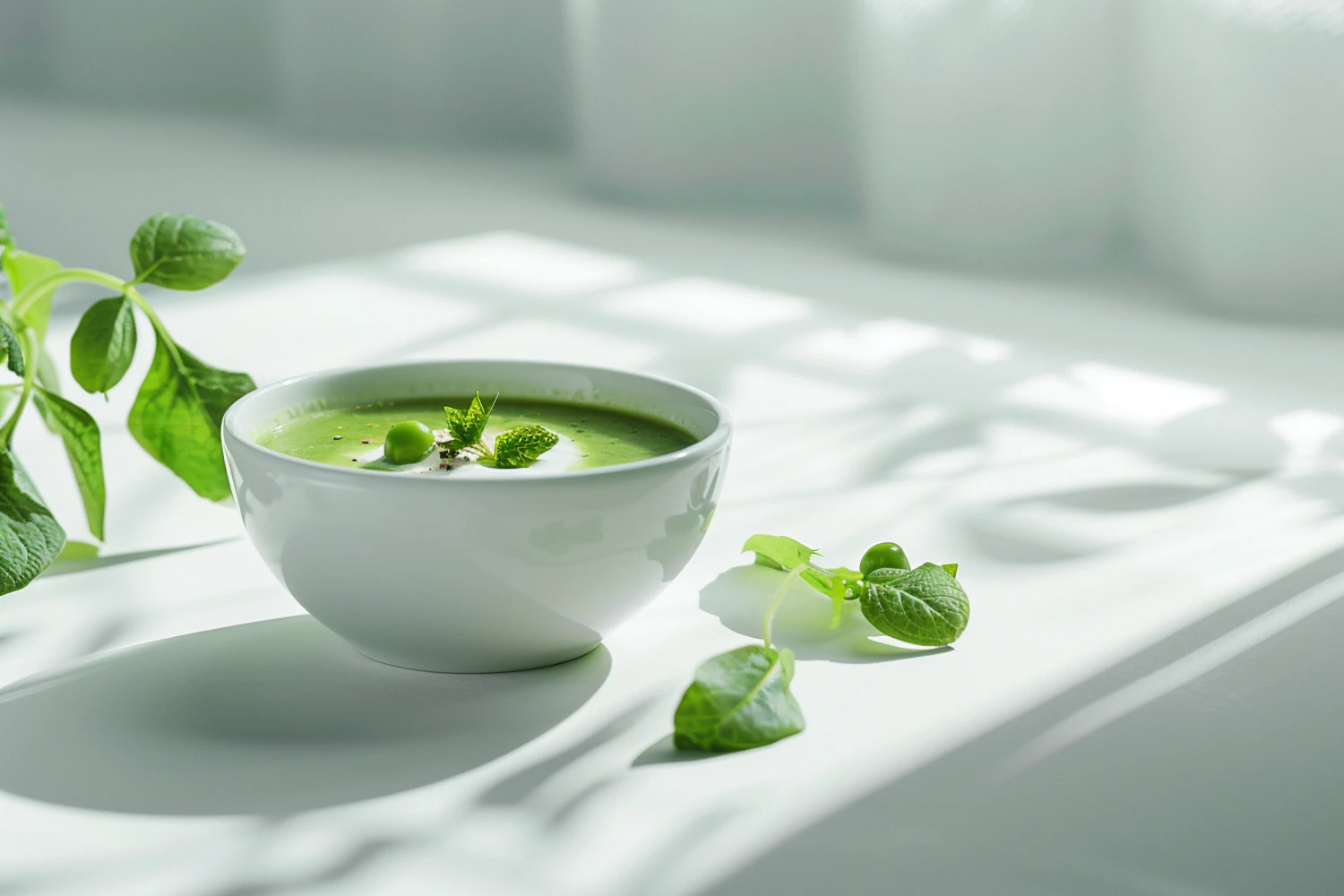
Broth-based soups can support weight loss because they deliver a large, filling portion for few calories, thanks to their high water content and added fiber and protein. No soup burns fat. Choose vegetable, lentil, bean, or clear chicken soups over cream-based ones, and check the sodium, which is high in most canned and restaurant soup.
Key takeaways
- Broth-based soups help with weight management through volume and water content, not through any fat-burning effect.
- Adding beans, lentils, or lean protein turns a light soup into a meal that keeps you full until the next one.
- A cup of regular canned soup commonly contains 600 to 900 milligrams of sodium, against a daily limit of 2,300 milligrams in the Dietary Guidelines for Americans.
- Check the servings-per-container line on the can first, because many cans hold about two servings.
- Cream, roux, cheese, and coconut-milk soups can carry as many calories as a full entree despite being liquid.
- You can get a creamy texture without cream by blending squash, cauliflower, or white beans into the base.
- Replacing most of your meals with soup is not a sound long-term plan and can shade into disordered eating.
- If you have high blood pressure, heart failure, or kidney disease, canned and restaurant soup is one of the first sodium sources to cut.
Soup has a reputation as a weight-loss food, and unlike most diet folklore, there is a real mechanism underneath it. Broth-based and vegetable-based soups deliver a lot of volume for very few calories, and volume is one of the things that makes a meal feel like a meal. That is the honest claim. No soup burns fat, and no soup causes weight loss on its own.
What soup can do is make a calorie-controlled way of eating easier to stick with, which is the part most people struggle with. This piece covers why that works, which soups do it best, roughly how many calories they carry, and the one thing that trips up most store-bought and restaurant soup: sodium.
Do soups actually help with weight loss?
Soups do not cause weight loss, but broth-based soups can make it easier to eat fewer calories without feeling deprived. They are high in water and low in energy density, meaning few calories per ounce of food. That combination lets you eat a physically large portion for a small calorie cost.
The Dietary Guidelines for Americans emphasize building meals around vegetables, beans, whole grains, and lean protein while keeping calories in line with your needs. A vegetable-and-bean soup is close to a literal serving of that advice in a bowl. The benefit comes from what is in the soup and what it replaces, not from the fact that it is liquid.
It also matters that soup is slow to eat. A hot bowl eaten with a spoon takes longer than a sandwich, and eating more slowly gives the normal fullness signals from your stomach and gut time to register before the bowl is empty.
Why does soup make you feel full?
Soup is filling mainly because of water content and volume. Water adds weight and bulk to a meal without adding any calories, so a 12-ounce bowl of vegetable soup fills your stomach far more than the 200 calories in it would suggest.
Two other ingredients do the heavy lifting on staying full:
- Fiber: the part of plant food your body does not digest. Beans, lentils, split peas, and vegetables add bulk and slow digestion. Most Americans get well under the fiber recommended by the Dietary Guidelines, so a bean soup is doing double duty.
- Protein: generally the most satiating of the three macronutrients. Chicken, beans, lentils, tofu, or fish turn a soup from a light starter into something that actually holds until the next meal.
Interestingly, the same calories in beverage form tend to be less filling than they are in soup form. A creamy 400-calorie soup and a 400-calorie smoothie are not equivalent to a broth soup with the same volume and a quarter of the calories.
Which soups are the best options?
The best options are broth-based soups built on vegetables plus a protein source: lentil, minestrone, black bean, split pea, chicken and vegetable, and clear vegetable broths. The table below gives approximate calories for a 1-cup serving, drawn from typical entries in USDA FoodData Central.
Treat these as ballpark figures. Recipes and brands vary widely, and a restaurant portion is often two to three cups rather than one.
| Soup (1 cup, about 8 fl oz) | Approximate calories | Why it works | Watch for |
|---|---|---|---|
| Clear vegetable or chicken broth | Roughly 10 to 20 | Almost no calories; good as a first course | Very high sodium in most bouillon and canned broth |
| Miso soup | Roughly 35 to 50 | Warm, savory, tiny calorie cost | Salty by nature; miso paste is concentrated sodium |
| Vegetable soup, broth base | Roughly 70 to 110 | High volume, high fiber, low energy density | Low protein unless you add beans or chicken |
| Minestrone | Roughly 80 to 140 | Beans plus vegetables plus a little pasta | Portion creep from the pasta |
| Tomato soup made without cream | Roughly 80 to 120 | Blended vegetables give body without dairy fat | Some canned versions add sugar |
| Chicken and vegetable soup | Roughly 90 to 150 | Lean protein plus volume | Noodles and skin-on meat raise it quickly |
| Butternut squash soup, blended, no cream | Roughly 100 to 150 | Creamy texture from the vegetable itself | Cream and coconut milk versions are far higher |
| Lentil soup | Roughly 140 to 190 | Strong fiber and plant protein; very filling | Sausage or oil-heavy versions add up |
| Split pea soup | Roughly 150 to 200 | Among the most filling per calorie | Ham hock adds fat and a lot of sodium |
| Black bean soup | Roughly 160 to 220 | Fiber, plant protein, holds well as a meal | Sour cream and cheese toppings |
| New England clam chowder | Roughly 150 to 250 | Not a weight-loss soup; listed for comparison | Cream and roux base |
| Cream-based soups generally | Roughly 150 to 350+ | Not a weight-loss soup; listed for comparison | Easy to underestimate because it is still liquid |
How do you build a filling soup at home?
Use one formula: a broth or tomato base, a large volume of vegetables, a protein or legume, an aromatic, and an acid or herb at the end. Homemade is also where you get control of sodium, which you almost never have with canned or restaurant soup.
Lentil and vegetable
Sweat diced onion, carrot, and celery in a teaspoon of olive oil. Add 1 cup dried brown lentils, 6 cups low-sodium broth, a can of no-salt-added diced tomatoes, cumin, and a bay leaf. Simmer about 30 minutes. Finish with lemon juice and black pepper. Makes roughly 6 servings.
Chicken, white bean, and greens
Simmer 1 pound of boneless skinless chicken breast in 6 cups low-sodium broth with garlic and thyme, then shred it back in. Add a rinsed can of cannellini beans and several large handfuls of spinach or kale in the last few minutes. Rinsing canned beans washes off a meaningful share of the added sodium.
Creamy without cream
Roast butternut squash or cauliflower, simmer in broth with onion and garlic, then blend until smooth. The starch in the vegetable does what cream would do. A splash of evaporated skim milk or a spoon of plain Greek yogurt stirred in off the heat adds richness and protein for far fewer calories than heavy cream.
Weeknight minestrone
Onion, carrot, celery, zucchini, green beans, canned tomatoes, a can of rinsed kidney beans, low-sodium broth, and a half cup of dry small pasta. Add the pasta late so it does not soak up the broth. Parmesan on top is fine; a light hand keeps the calories where you want them.
How much sodium is in canned and restaurant soup?
A single cup of regular canned soup commonly carries somewhere in the range of 600 to 900 milligrams of sodium, and many cans hold about two servings. The Dietary Guidelines for Americans set a limit of 2,300 milligrams of sodium per day for adults, so one canned soup can take a large bite out of an entire day.
Restaurant soup is often worse, because it is portioned generously and seasoned to sell. Soup is one of the food categories the CDC and the American Heart Association repeatedly name among the biggest contributors to sodium in the American diet.
Practical fixes that work:
- Buy products labeled low sodium (140 mg or less per serving) or reduced sodium, and check the Nutrition Facts panel rather than the front of the can.
- Look at the servings per container line first. If it says 2, double every number below it.
- Use low-sodium broth as a base and add flavor with garlic, onion, smoked paprika, black pepper, herbs, vinegar, or citrus instead of salt.
- Rinse canned beans and vegetables before adding them.
- Dilute a too-salty soup with unsalted broth or water and extra vegetables.
Sodium matters most if you have high blood pressure, heart failure, or kidney disease. If a clinician has put you on a sodium limit, canned and restaurant soup is one of the first places to look.
Which soups work against you?
Cream-based and roux-thickened soups are the ones that quietly undo the benefit. Chowders, bisques, cheese soups, and cream-of-anything soups can carry as many calories as a full entree while still feeling like a light choice because they are liquid.
A few other patterns to watch:
- Soup served in a bread bowl, where the container is several hundred calories on its own.
- Noodle-heavy bowls where the broth is a delivery system for a large starch portion.
- Coconut-milk curries, which are delicious but energy dense.
- Croutons, cheese, sour cream, and fried toppings, which can add more calories than the soup underneath.
None of these are foods you have to avoid. They are just not the ones doing the work if calorie control is your goal.
Can you live on soup or use it to replace meals?
No, an all-soup or very low-calorie liquid pattern is not a good long-term plan, and it is not necessary. Diets built around one food tend to fall short on protein and other nutrients, are hard to sustain, and often end in a rebound because nothing about your regular eating has changed.
There is a second reason to be careful. Very restrictive eating rules, cleanses, and single-food diets can trigger or worsen disordered eating. If food rules are taking up a lot of your attention, if you feel out of control around food, or if you are cutting back further and further, that is worth taking seriously. The National Eating Disorders Association runs a free, confidential helpline and screening tool at nationaleatingdisorders.org. Talking to your primary care provider or a registered dietitian is a reasonable first step too.
Using soup as one meal a day, alongside otherwise normal, varied eating, is a different thing and is generally fine.
Who should be cautious with soup?
Anyone on a sodium-restricted diet should be the most careful, followed by people managing blood sugar and anyone with swallowing or reflux issues. The table below sums up the main groups.
| If you have | What to watch | What to do instead |
|---|---|---|
| High blood pressure, heart failure, or kidney disease | Sodium in canned, boxed, and restaurant soup | Low-sodium broth, homemade, rinse canned beans; follow the limit your clinician set |
| Type 2 diabetes | Starch- and sugar-added soups, and large noodle or potato portions | Bean- and lentil-based soups with protein; pair with a salad rather than bread |
| Acid reflux | Very acidic tomato bases and spicy soups | Broth or squash bases; eat earlier in the evening |
| A history of disordered eating | Using soup to skip meals or cut calories sharply | Work with a registered dietitian; reach out to NEDA |
| Gout or kidney stones | Some broths and organ-meat-based stocks | Ask your clinician about your specific restrictions |
When should you talk to a doctor or dietitian?
Talk to your primary care provider before making major changes to how you eat if you have a chronic condition, take prescription medication, are pregnant, or have been told to limit sodium, potassium, or fluid. Weight-loss medication and some blood pressure drugs also interact with big diet changes.
Get medical advice promptly if you have unintentional weight loss you cannot explain, persistent swelling in your legs or shortness of breath, or if you feel lightheaded and weak after cutting calories. Call 911 for chest pain, trouble breathing, or sudden severe symptoms.
For personalized help, a registered dietitian nutritionist is the right professional. The Academy of Nutrition and Dietetics maintains a directory at eatright.org, and many health plans cover a visit.
What is the bottom line?
Broth-based soups loaded with vegetables, beans, or lean protein are a genuinely useful tool because they give you a big, satisfying portion for relatively few calories. That is the whole mechanism, and it is enough. Make them at home when you can, read the sodium line when you cannot, and treat soup as one helpful habit inside a normal, varied way of eating rather than a plan of its own.
Common questions
- Can you lose weight by eating soup every day?
- Eating soup daily may help if it replaces higher-calorie meals, but the soup itself is not what causes weight loss. Any weight change comes from an overall calorie deficit. A broth-based soup with vegetables and beans makes that deficit easier to hold because it is filling for the calories. An all-soup diet is not recommended.
- What is the lowest calorie soup?
- Clear broths are the lowest, at roughly 10 to 20 calories per cup, followed by miso soup at around 35 to 50 and broth-based vegetable soups at roughly 70 to 110 per cup, based on typical USDA FoodData Central entries. Very low-calorie soups are best as a first course rather than a whole meal, because they have little protein.
- Is canned soup bad for you?
- Canned soup is not unhealthy in itself, but most versions are high in sodium, often 600 to 900 milligrams per cup. Look for products labeled low sodium, which means 140 milligrams or less per serving, and check how many servings the can holds. If you have high blood pressure or kidney disease, this matters more.
- Does soup before a meal help you eat less?
- A low-calorie broth-based soup as a first course can reduce how much you eat afterward for some people, because it adds volume and slows the meal down. The effect is modest and varies by person. A creamy or bread-heavy starter does the opposite and adds calories without much fullness.
- Is chicken noodle soup good for weight loss?
- Chicken and vegetable soup is a reasonable choice at roughly 90 to 150 calories per cup, and the chicken supplies protein that helps with fullness. Heavy noodle portions and skin-on meat raise the calorie count, and canned versions are usually high in sodium. Homemade with low-sodium broth and extra vegetables is the better version.
- How do you make soup creamy without cream?
- Blend a starchy vegetable into the base. Roasted butternut squash, cauliflower, potato, or white beans give a smooth, rich texture for a fraction of the calories in heavy cream. Stirring in a spoon of plain Greek yogurt or a splash of evaporated skim milk off the heat adds richness and a little protein.
- How much sodium should you eat in a day?
- The Dietary Guidelines for Americans recommend adults limit sodium to less than 2,300 milligrams per day. The American Heart Association suggests an ideal target closer to 1,500 milligrams for most adults, particularly those with high blood pressure. If a clinician has given you a specific limit, follow that instead.
Sources
Published research and guidance this page draws on. Check the original where a detail matters to you.
- 1Dietary Guidelines for Americans, 2020-2025U.S. Departments of Agriculture and Health and Human Services
- 2FoodData Central: nutrient data for foods including soups and brothsU.S. Department of Agriculture
- 3MyPlate: building meals with vegetables, beans, and lean proteinU.S. Department of Agriculture
- 4Sodium in Your Diet: use the Nutrition Facts label and reduce your intakeU.S. Food and Drug Administration
- 5How Much Sodium Should I Eat Per Day?American Heart Association
- 6Weight ManagementNational Institute of Diabetes and Digestive and Kidney Diseases, NIH
- 7Weight ControlMedlinePlus, National Library of Medicine
- 8Find a Registered Dietitian NutritionistAcademy of Nutrition and Dietetics
- 9Helpline and free screening toolNational Eating Disorders Association
This article is for general education and is not a substitute for professional medical advice. Speak with a qualified healthcare provider about your individual circumstances.
About HealthPathCore
An independent health knowledge library
Every article here is built from published research and guidance issued by named health bodies, written in plain language, and dated so you can see how current it is. When the evidence moves, we come back and correct the piece.
How we research and write