High-Protein Vegetarian Meals: Easy Ideas and How Much You Need
How much protein you need on a vegetarian diet, a worked example in pounds, USDA protein counts for eggs, dairy, tofu, beans and lentils, and easy high-protein ideas from breakfast to snacks.
The short answer
The recommended amount of protein for adults is 0.8 grams per kilogram of body weight a day, about 55 grams for someone who weighs 150 pounds. Vegetarians can reach that with eggs, Greek yogurt, cottage cheese, tofu, tempeh, lentils, beans, and edamame spread across meals. Different plant proteins do not need to be combined at the same meal.
Key takeaways
- The adult RDA for protein is 0.8 grams per kilogram of body weight, about 55 grams a day for someone who weighs 150 pounds.
- To estimate your RDA in pounds, multiply your weight in pounds by about 0.36.
- Based on USDA data, a cup of cooked lentils has about 18 grams of protein, half a cup of firm tofu about 22 grams, and a cup of low-fat cottage cheese about 28 grams.
- You do not need to combine plant proteins at the same meal, because the balance of amino acids over the whole day is what matters.
- Eggs, dairy, and soy foods such as tofu, tempeh, and edamame are complete proteins that contain all the essential amino acids.
- Vitamin B12 is found naturally only in animal foods, so vegetarians and especially vegans should rely on eggs, dairy, or fortified foods and ask their doctor about supplements.
- Eating vitamin C-rich foods at the same meal as beans, lentils, or greens increases how much plant iron you absorb.
Going vegetarian, or simply eating less meat, often comes with one nagging question: am I getting enough protein? For most people the answer is yes, or easily could be, with a little planning around a handful of protein-rich foods.
This article sets out how much protein you actually need, with a worked example in pounds, the vegetarian foods that deliver the most per serving according to USDA data, and practical meal ideas from breakfast to snacks. It also covers the nutrients that deserve more attention than protein on a vegetarian diet, and how it all fits into a balanced, healthy eating pattern.
How much protein do you need each day?
The Recommended Dietary Allowance (RDA), the daily amount that meets the needs of nearly all healthy adults, is 0.8 grams of protein per kilogram of body weight. To use pounds, divide your weight by 2.2 to get kilograms, then multiply by 0.8. A quick shortcut is to multiply your weight in pounds by about 0.36.
For example, if you weigh 150 pounds, 150 divided by 2.2 is about 68 kilograms, and 68 times 0.8 is about 55 grams of protein a day.
| Body weight | In kilograms | Protein at the RDA |
|---|---|---|
| 120 pounds | About 55 kg | About 44 g a day |
| 150 pounds | About 68 kg | About 55 g a day |
| 180 pounds | About 82 kg | About 65 g a day |
| 210 pounds | About 95 kg | About 76 g a day |
The RDA is a baseline for meeting basic needs, not a ceiling. MedlinePlus puts the healthy range for adults at 10% to 35% of total calories, and notes that each gram of protein supplies 4 calories. Older adults, people who are very active or strength training, and people recovering from illness or surgery may benefit from more, and needs rise during pregnancy and breastfeeding. A closer look at how much protein you actually need covers those situations in more detail.
Can a vegetarian diet give you enough protein?
Yes. MedlinePlus states that it is easy to get plenty of protein even if you do not eat any animal products, as long as you eat a variety of foods. If you eat eggs and dairy, you have protein-dense options at every meal. If you are vegan, soy foods, beans, lentils, and seeds do the heavy lifting.
MedlinePlus describes three common patterns:
- Lacto-ovo vegetarian: plant foods plus dairy and eggs.
- Lacto vegetarian: plant foods plus dairy, but no eggs.
- Vegan: no meat or animal products of any kind.
The practical challenge is usually how protein is spread across the day, not the total. A breakfast of toast and jam or a lunch of salad greens alone leaves a gap that is hard to make up later. Building each meal around one protein-rich food is the simplest fix.
What are the best vegetarian protein sources?
The most protein-dense vegetarian foods are dairy such as cottage cheese and Greek yogurt, soy foods such as tofu, tempeh, and edamame, lentils and beans, and eggs. The table below uses USDA FoodData Central values, converted to common serving sizes and rounded.
| Food | Serving | Protein |
|---|---|---|
| Cottage cheese, low-fat (1%) | 1 cup (226 g) | About 28 g |
| Tofu, firm, made with calcium sulfate | 1/2 cup (126 g) | About 22 g |
| Edamame, cooked from frozen | 1 cup (155 g) | About 18 g |
| Lentils, cooked | 1 cup (198 g) | About 18 g |
| Tempeh | 3 ounces (85 g) | About 17 g |
| Greek yogurt, plain, nonfat | 1 container (170 g) | About 17 g |
| Black beans, cooked | 1 cup (172 g) | About 15 g |
| Chickpeas, cooked | 1 cup (164 g) | About 15 g |
| Hemp seeds, hulled | 1 ounce (28 g) | About 9 g |
| Pumpkin seed kernels | 1 ounce (28 g) | About 9 g |
| Quinoa, cooked | 1 cup (185 g) | About 8 g |
| Milk | 1 cup (244 g) | About 8 g |
| Peanut butter, smooth | 2 tablespoons (32 g) | About 7 g |
| Egg, hard-boiled | 1 large (50 g) | About 6 g |
| Chia seeds, dried | 1 ounce (28 g) | About 5 g |
Values vary by brand, especially for tofu, yogurt, and plant milks, so check the Nutrition Facts label on what you buy. The FDA's Daily Value for protein on that label is 50 grams. Seitan, made from wheat gluten, is another very high-protein option, though it is not suitable for anyone with celiac disease. Plant-based meat substitutes are convenient, but MedlinePlus cautions that they can be high in sodium.
Do you need to combine proteins at every meal?
No. The old advice to pair foods like rice and beans at every meal to make a "complete protein" is outdated. MedlinePlus states that you do not need to combine these foods at the same meal, and that the balance over the whole day is what matters.
Some background helps. Proteins are built from amino acids, and the essential amino acids are the ones your body cannot make, so they must come from food. A complete protein contains all of the essential amino acids in useful amounts. Eggs, dairy, and soy foods such as tofu, tempeh, and edamame are complete proteins. Most other plant proteins run low in one or more essential amino acids: grains tend to be low in one called lysine, while beans and lentils are richer in it.
Complementary proteins are simply foods whose amino acid profiles fill each other's gaps, like beans and rice or hummus and whole-wheat pita. Eating a variety of plant proteins across the day covers this on its own. The myth worth dropping is that a meal without a perfect pairing does not count. It does.
What are easy high-protein vegetarian breakfasts?
Breakfast is the meal most likely to come up short, so give it one protein-rich anchor. The protein figures below come from the USDA values above.
- Greek yogurt bowl: a container of plain Greek yogurt with berries and a spoonful of hemp or pumpkin seeds, about 17 grams of protein from the yogurt alone.
- Veggie scramble: two eggs scrambled with spinach and peppers, with whole-grain toast. The eggs alone give about 12 grams.
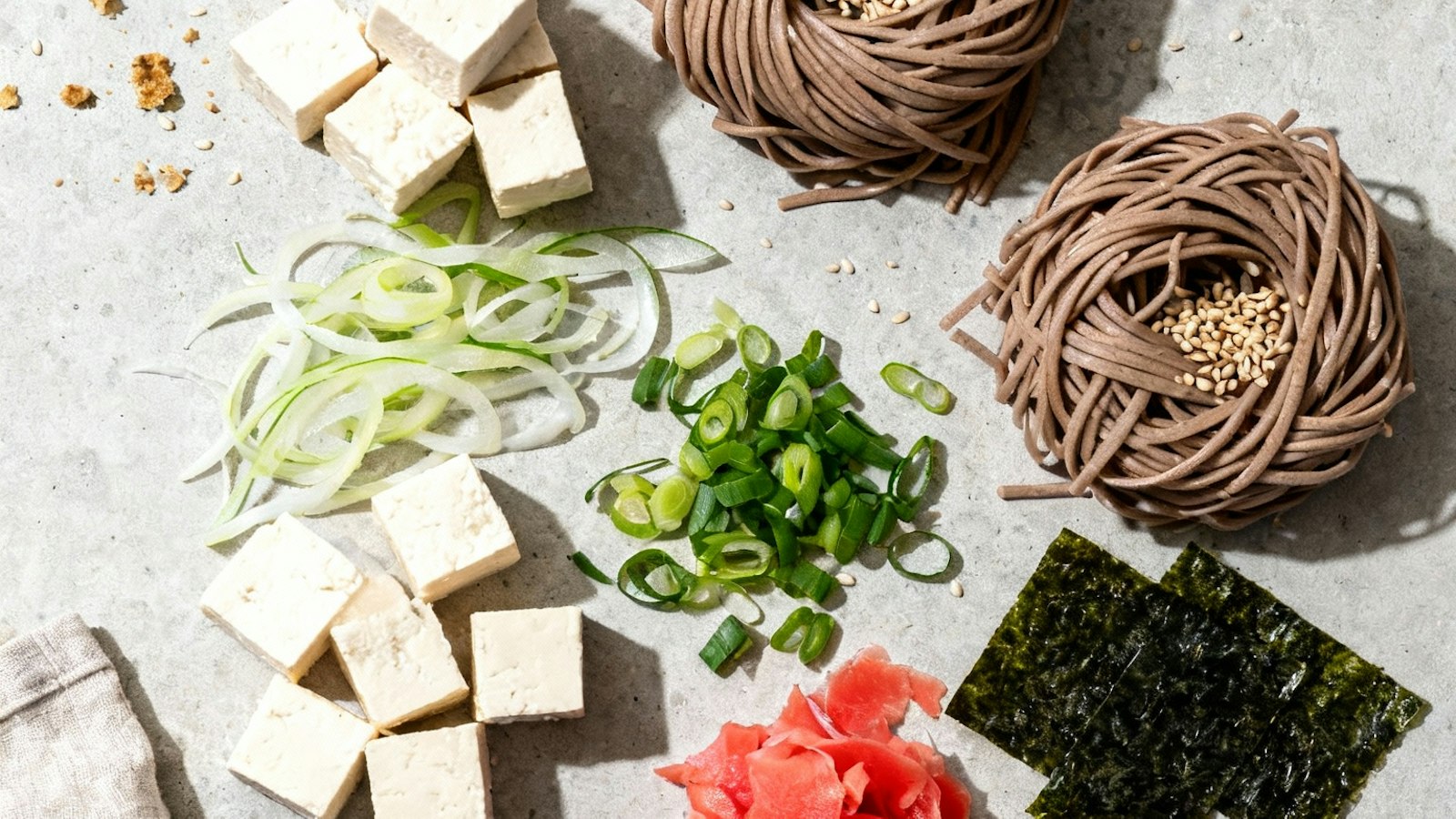
- Tofu scramble: half a cup of crumbled firm tofu cooked with onion, turmeric, and vegetables, about 22 grams from the tofu and fully vegan.
- Cottage cheese toast: half a cup of cottage cheese on whole-grain toast with sliced tomato and black pepper, about 14 grams from the cottage cheese.
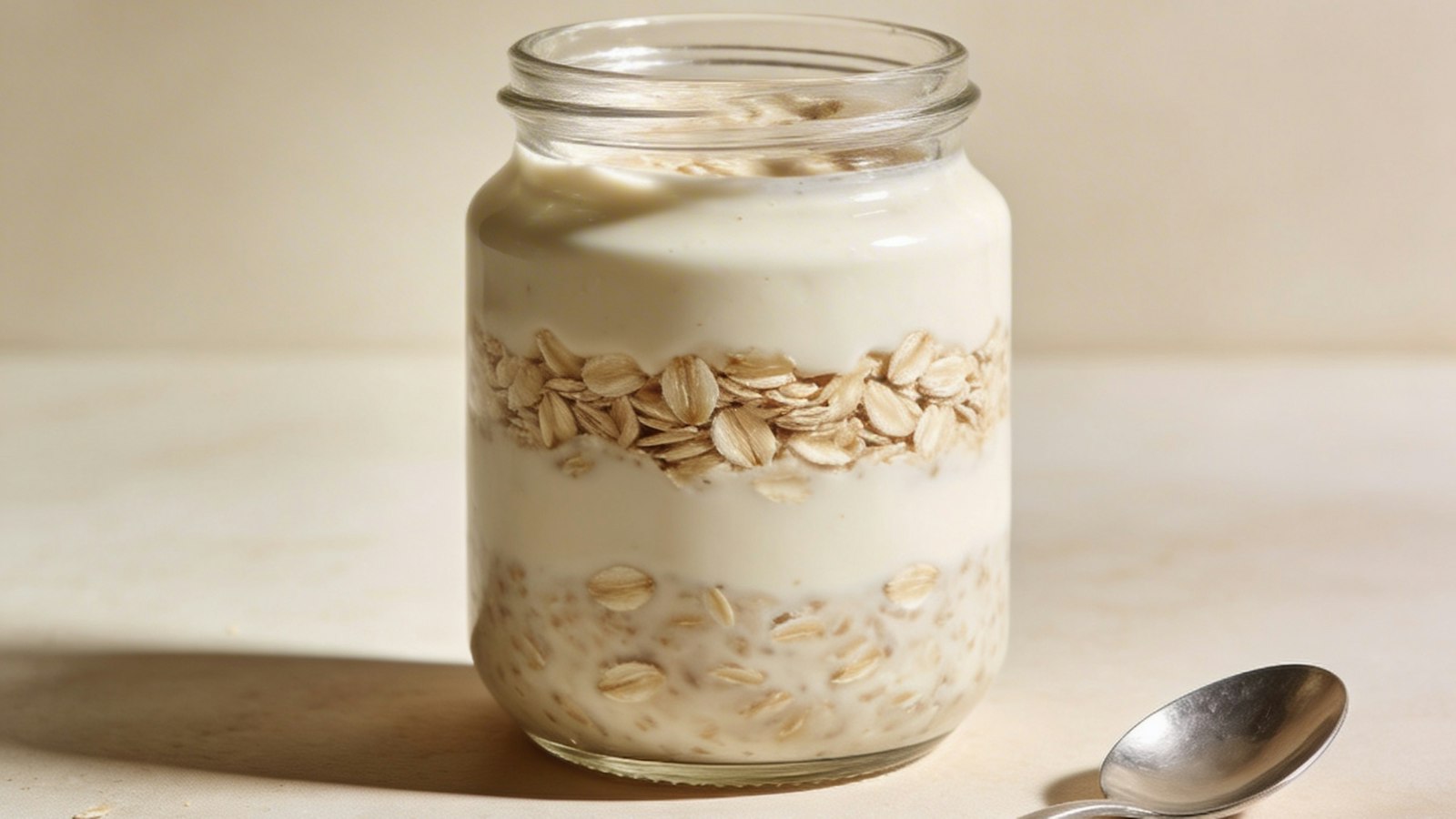
- Overnight oats: oats soaked in milk or fortified soy milk with a spoonful of soaked chia seeds and a swirl of peanut butter.
- Peanut butter smoothie: a cup of milk blended with a banana, 2 tablespoons of peanut butter, and a handful of oats, about 15 grams from the milk and peanut butter.
What are easy high-protein vegetarian lunches and dinners?
Lunch and dinner are where beans, lentils, and soy foods do the most work, because a cup-sized serving fits naturally into a bowl, a curry, or a stew.
Lunch ideas
- Lentil soup with whole-grain bread. A cup of cooked lentils gives about 18 grams.
- Chickpea salad sandwich: mashed chickpeas with Greek yogurt, celery, and lemon on whole-grain bread.
- Grain bowl: quinoa, black beans, roasted vegetables, salsa, and a sprinkle of cheese or pumpkin seeds.
- Edamame noodle salad: shelled edamame tossed with whole-wheat noodles, crunchy vegetables, and a peanut dressing.
- Bean and cheese burrito with brown rice, peppers, and salsa.
Dinner ideas
- Tofu stir-fry with mixed vegetables over brown rice.
- Lentil and vegetable curry with a spoonful of plain yogurt on top.
- Black bean chili topped with Greek yogurt in place of sour cream.
- Tempeh tacos: crumbled tempeh browned with spices, in corn tortillas with cabbage slaw.
- Shakshuka: eggs poached in a spiced tomato and pepper sauce, with chickpeas stirred in.
Pairing beans, lentils, or greens with a vitamin C source such as tomatoes, peppers, or citrus has a second benefit. MedlinePlus notes that vitamin C at the same meal increases how much iron your body absorbs from plant foods.
A sample day
Here is how a day built from these ideas adds up for a 150-pound adult with an RDA of about 55 grams, counting only the main protein foods.
| Meal | What it includes | Protein from the main foods |
|---|---|---|
| Breakfast | Two hard-boiled eggs with whole-grain toast and fruit | About 12 g |
| Lunch | Lentil soup made with 1 cup of cooked lentils | About 18 g |
| Snack | An apple with 2 tablespoons of peanut butter | About 7 g |
| Dinner | Tofu stir-fry with 1/2 cup of firm tofu over 1 cup of quinoa | About 30 g |
| Total | Before counting bread, vegetables, and other foods | About 67 g |
What are good high-protein vegetarian snacks?
Snacks are an easy way to close a protein gap, especially if your meals run light. Good options include:
- A cup of cottage cheese with fruit or cherry tomatoes, about 28 grams.
- A container of plain Greek yogurt, about 17 grams.
- Two hard-boiled eggs, about 12 grams.
- A cup of shelled edamame with a pinch of salt, about 18 grams.
- Celery or an apple with 2 tablespoons of peanut butter, about 7 grams.
- An ounce of pumpkin seeds, about 9 grams, or a bowl of roasted chickpeas.
- Hummus with vegetables or whole-grain crackers.
Protein plus fiber is what makes a snack last, which is the idea behind most healthy snacks that actually keep you full. Read the labels on protein bars, which can carry a lot of added sugar: the 2025 to 2030 Dietary Guidelines for Americans recommend no amount of added sugars, and no more than 10 grams in a meal for teens and adults.
Which nutrients should vegetarians watch besides protein?
Protein is rarely the real weak spot. MedlinePlus lists protein, iron, calcium, zinc, and vitamin B12 as the nutrients vegetarians may need to focus on, and its vegetarian diet guide adds vitamin D and omega-3 fats.
| Nutrient | Why it matters on a vegetarian diet | Vegetarian sources |
|---|---|---|
| Vitamin B12 | Found naturally only in animal foods; vegans may have a hard time getting enough | Eggs, dairy, fortified cereals, fortified nutritional yeast |
| Iron | Iron from plant foods is harder to absorb | Beans, lentils, soybeans, dried fruit, leafy greens, whole grains |
| Calcium | Oxalates in spinach and Swiss chard reduce absorption | Dairy, calcium-set tofu, kale, bok choy, fortified plant milks |
| Zinc | Absorbed less well from plant foods than from meat | Beans, nuts, dairy, fortified cereals |
| Vitamin D | Hard for many people to get enough from sun alone | Fortified milks, juices, and cereals; egg yolks |
| Omega-3 fats | No fish in the diet | Walnuts, flaxseed, chia seeds, soy foods |
Vitamin B12 deserves the most attention. MedlinePlus explains that it is found naturally in animal foods such as eggs and milk, is not present in plant foods unless they are fortified, and that people who follow a vegetarian or vegan diet are at higher risk of deficiency. Low B12 can develop slowly, so it is worth knowing the signs of B12 deficiency, such as tiredness and numbness or tingling. If you are vegan, talk to your doctor about fortified foods or a supplement.
Iron from vegetables, grains, and beans is harder for the body to absorb than iron from meat, according to MedlinePlus, which is why pairing it with vitamin C helps. A list of everyday foods rich in iron makes it easier to work them into meals. Do not take iron supplements unless a blood test shows you need them, since too much iron can be harmful.
When should you see a registered dietitian?
Consider seeing a registered dietitian (RD or RDN) if you are new to vegetarian or vegan eating, are pregnant or breastfeeding, are planning a vegetarian diet for a child or teenager, are an older adult or training hard, or have a condition such as kidney disease or diabetes that affects how much protein you should eat. The Academy of Nutrition and Dietetics has a searchable directory of registered dietitians, and your primary care provider can refer you.
See your doctor if you notice ongoing fatigue, unusual shortness of breath, pale skin, numbness or tingling in your hands and feet, or unplanned weight loss. These can point to low iron, low B12, or not eating enough overall, and a simple blood test can check iron and B12 levels.
Call 911 or go to the emergency room for chest pain, severe shortness of breath, fainting, or sudden confusion. And if you find yourself cutting out more and more foods, feeling anxious about eating, or using a vegetarian diet mainly as a way to restrict, talk to your doctor. The National Eating Disorders Association offers free screening and support resources.
Common questions
- How can vegetarians get 100 grams of protein a day?
- Build every meal and snack around a protein-dense food. For example, a cup of low-fat cottage cheese at breakfast gives about 28 grams, a cup of lentils at lunch about 18, half a cup of firm tofu at dinner about 22, and a Greek yogurt plus a cup of edamame as snacks add about 35 more. Most people do not need this much, so check your own target first.
- What vegetarian food has the most protein?
- Per typical serving, dairy and soy foods lead. USDA data put a cup of low-fat cottage cheese at about 28 grams, half a cup of firm tofu at about 22 grams, and 3 ounces of tempeh at about 17 grams. Among other plant foods, a cup of cooked lentils or edamame provides about 18 grams, and seitan, made from wheat gluten, is also very high in protein.
- Do vegetarians need to combine proteins?
- No. Proteins are made of amino acids, and while many plant foods are low in one or more essential amino acids, eating a variety of plant proteins over the day fills the gaps. MedlinePlus states that you do not need to combine foods at the same meal. Eggs, dairy, and soy foods are complete proteins on their own.
- How much protein do I need if I weigh 150 pounds?
- At the RDA of 0.8 grams per kilogram, a 150-pound adult needs about 55 grams of protein a day. Divide 150 by 2.2 to get about 68 kilograms, then multiply by 0.8. Older adults, very active people, and those who are pregnant or recovering from illness may need more, so a registered dietitian can help set a personal target.
- Are eggs and dairy enough protein for a vegetarian?
- They can cover a lot, but a mix works better. A large egg has about 6 grams of protein and a container of plain nonfat Greek yogurt about 17 grams, according to USDA data. Adding beans, lentils, tofu, and seeds brings fiber, iron, and other nutrients, and keeps your protein intake steady if you eat less dairy.
- What nutrients do vegetarians lack?
- Protein is rarely the problem. MedlinePlus lists iron, calcium, zinc, and vitamin B12, along with protein, as nutrients vegetarians may need to focus on, and vitamin D and omega-3 fats are worth watching too. Vitamin B12 matters most for vegans, since it is not found naturally in plant foods and usually has to come from fortified foods or a supplement.
- Is quinoa a good source of protein?
- Quinoa has more protein than many grains, about 8 grams per cooked cup according to USDA data, but it is not a protein powerhouse on its own. Pair it with beans, lentils, tofu, eggs, or cheese to build a high-protein meal. It also works well as a base for grain bowls and salads, and it adds fiber to the meal.
Sources
Published research and guidance this page draws on. Check the original where a detail matters to you.
- 1FoodData Central: protein values for legumes, soy foods, dairy, eggs, grains, and seeds (SR Legacy)U.S. Department of Agriculture, Agricultural Research Service
- 2Protein in dietMedlinePlus Medical Encyclopedia
- 3Vegetarian DietMedlinePlus, U.S. National Library of Medicine
- 4Vegetarian dietMedlinePlus Medical Encyclopedia
- 5Vitamin B12MedlinePlus Medical Encyclopedia
- 6Iron in dietMedlinePlus Medical Encyclopedia
- 7Daily Value on the Nutrition and Supplement Facts LabelsU.S. Food and Drug Administration
- 8Find a Nutrition ExpertAcademy of Nutrition and Dietetics
This article is for general education and is not a substitute for professional medical advice. Speak with a qualified healthcare provider about your individual circumstances.
About HealthPathCore
An independent health knowledge library
Every article here is built from published research and guidance issued by named health bodies, written in plain language, and dated so you can see how current it is. When the evidence moves, we come back and correct the piece.
How we research and write