Atkins Phase 1: How the Induction Stage Works
Atkins induction limits carbohydrate to about 20 grams of net carbs a day for two weeks. Here are the plan's rules, the food list, the side effects, and who should skip it.
The short answer
Atkins Phase 1, called induction, limits carbohydrate to about 20 grams of net carbs a day for at least two weeks, with most of that from non-starchy vegetables. Protein and fat are not restricted. That 20 gram figure is the commercial plan's own rule, not guidance from any US health authority.
Key takeaways
- The 20 grams of net carbs a day figure is the Atkins plan's published rule for induction, not a recommendation from any US health agency.
- The plan directs roughly 12 to 15 of those 20 grams to non-starchy vegetables, with protein at every meal and fat unrestricted.
- Grains, legumes, most fruit, starchy vegetables, sugar, and alcohol are excluded entirely for the two weeks of induction.
- Much of the rapid early drop on the scale is water released as glycogen empties, not fat, and it returns when carbohydrate comes back.
- Headache, fatigue, irritability, cramps, and lightheadedness in the first week or two track fluid and sodium loss and usually ease within two weeks.
- Constipation is predictable during induction because grains, legumes, and fruit supply most dietary fiber and are all excluded.
- Induction is designed as a two-week starting phase; the later phases that add carbohydrate back are what determine long-term results.
- Anyone with kidney disease, diabetes on insulin or sulfonylureas, gout, or a history of disordered eating should not start induction without medical advice.
Atkins induction, or Phase 1, is the strictest and shortest stage of the Atkins diet. The plan's own published rule is to hold carbohydrate to about 20 grams of net carbs a day for at least two weeks, with most of that coming from non-starchy vegetables.
That 20 gram figure is the commercial plan's rule, not a recommendation from any US health agency. Neither the Dietary Guidelines for Americans nor the National Institute of Diabetes and Digestive and Kidney Diseases endorses Atkins or any other branded diet. Here is what induction actually asks of you, what tends to happen in the first two weeks, and who should not attempt it.
What are the rules of Atkins induction?
Four rules define the phase, as the plan publishes them:
- About 20 grams of net carbs per day. Net carbs means total carbohydrate grams minus fiber grams, and in the plan's accounting also minus sugar alcohols.
- Most of that allowance from vegetables. The plan directs roughly 12 to 15 of the 20 grams to what it calls foundation vegetables, meaning leafy greens and other non-starchy vegetables.
- Protein at every meal, and fat not restricted. Meat, poultry, fish, eggs, cheese, butter, and oils are the core of the plate.
- Run it for at least two weeks before moving to Phase 2, which begins adding carbohydrate back in small increments.
Induction is designed as a starting phase, not a way of eating. The plan itself expects you to leave it.
What is a net carb?
A net carb is the total carbohydrate in a food minus its fiber, because fiber is largely not digested for energy. On a Nutrition Facts label, subtract the dietary fiber grams from the total carbohydrate grams. Note that "net carbs" is a marketing and diet-plan concept; the FDA does not define or regulate it as a labeling term.
What can you eat during induction?
Protein foods, fats, and non-starchy vegetables. Grains, most fruit, starchy vegetables, legumes, sugar, and alcohol are out entirely for the two weeks.
| Category | Allowed on induction | Not allowed on induction |
|---|---|---|
| Protein | Beef, pork, lamb, chicken, turkey, eggs, salmon, tuna, shrimp, most shellfish | Breaded or sugar-cured meats, most deli meats with added sugar |
| Vegetables | Spinach, arugula, lettuce, broccoli, cauliflower, asparagus, zucchini, celery, cucumber, bell peppers, mushrooms | Potatoes, sweet potatoes, corn, peas, winter squash, beets, carrots in quantity |
| Fats and oils | Olive oil, avocado oil, butter, avocado, mayonnaise without added sugar | Trans fats; the plan advises against them explicitly |
| Cheese and dairy | Up to about 3 to 4 oz a day of aged cheese, cream in small amounts | Milk, flavored yogurt, cottage cheese in quantity, ice cream |
| Fruit | Avocado, olives, lemon and lime juice in small amounts | All other fruit, including berries, until later phases |
| Grains and legumes | None | Bread, pasta, rice, oats, cereal, beans, lentils, chickpeas |
| Drinks | Water, broth, black coffee, plain tea | Juice, soda, milk, beer, wine, spirits |
| Nuts and seeds | Generally held back until Phase 2 in the current plan | Sweetened or honey-roasted nuts at any stage |
Look at what is on the right-hand column: beans, lentils, whole grains, and fruit. Those are among the foods federal dietary guidance most consistently tells Americans to eat more of, and they are the main sources of dietary fiber. That is the central trade-off of the phase.
What does a day of induction look like?
| Meal | Example | Approximate net carbs |
|---|---|---|
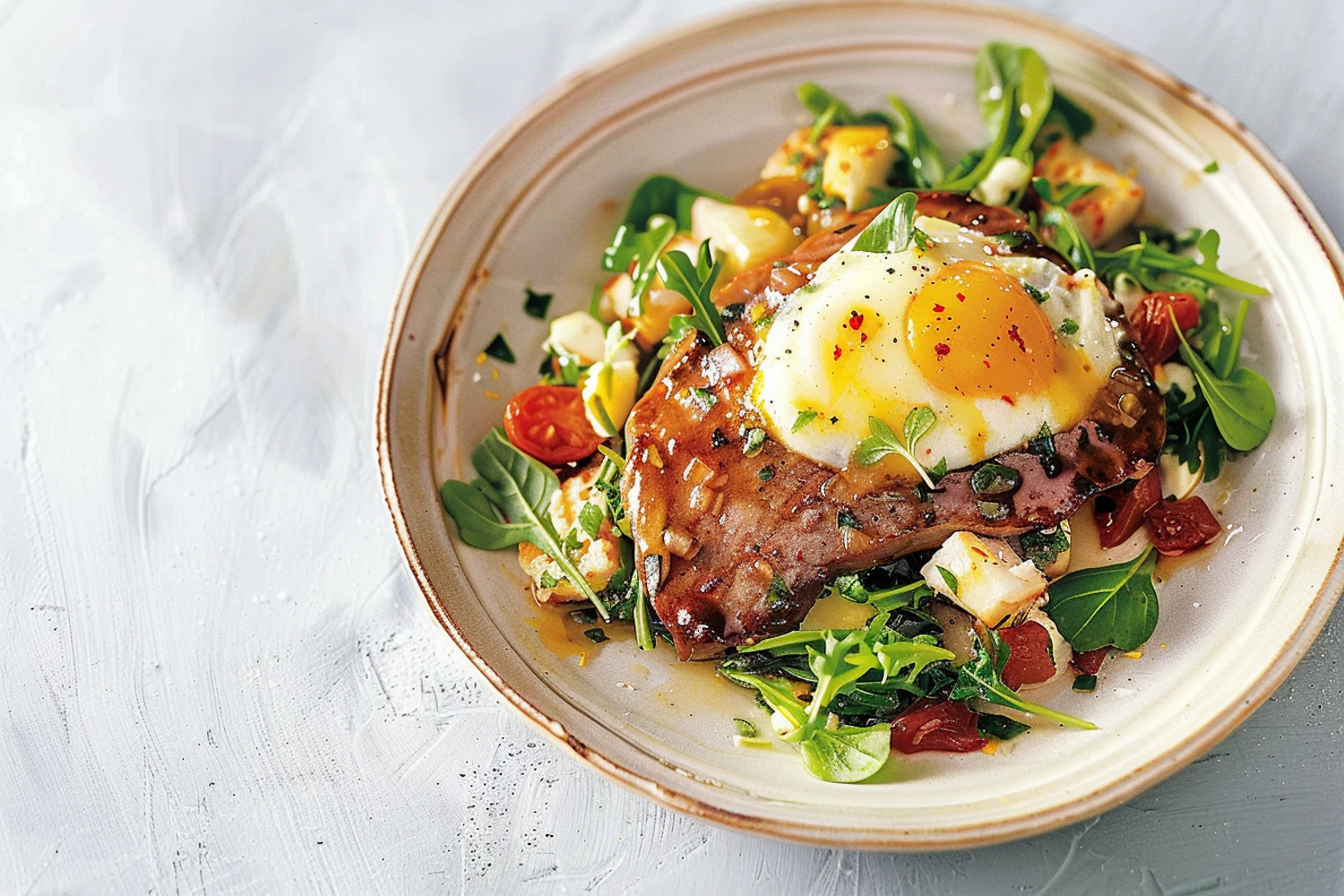
| Breakfast | Two eggs scrambled in butter with 1 cup spinach | About 1 to 2 g |
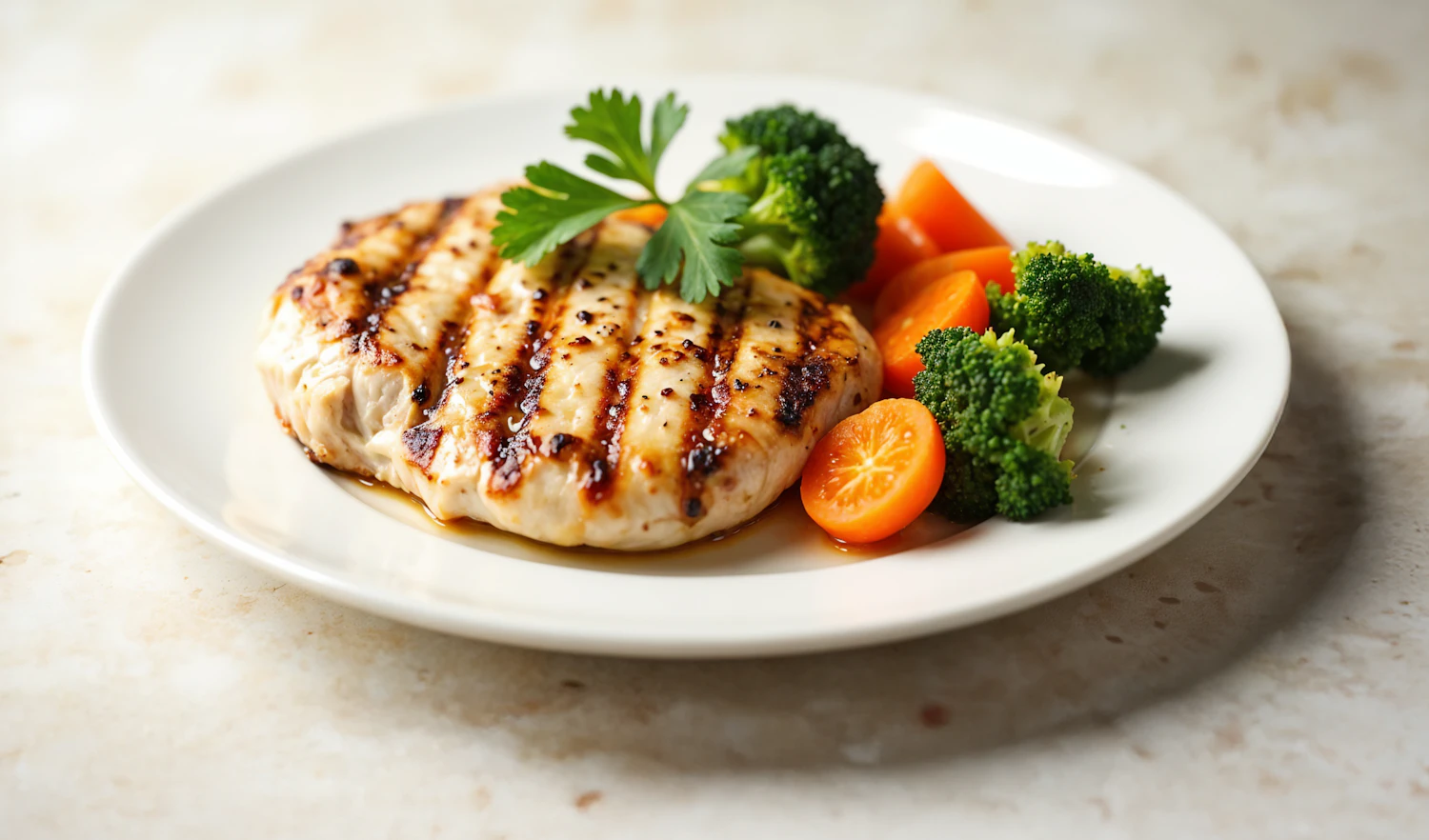
| Lunch | Grilled chicken over 2 cups mixed greens, cucumber, olive oil and vinegar | About 4 to 5 g |
| Dinner | Baked salmon with 1 cup roasted broccoli and 1 cup zucchini | About 6 to 8 g |
| Snack | 1 oz cheddar, celery sticks | About 2 g |
| Drinks | Water, broth, black coffee, plain tea | About 0 g |
Figures are approximate. Carbohydrate content varies by variety and portion, so check the Nutrition Facts label or the USDA's FoodData Central database rather than trusting a memorized number.
What happens in the first two weeks?
Two things, and it helps to separate them. The first is a rapid drop on the scale, and the second is a set of adjustment symptoms.
Much of the early weight change is water, not fat. Cutting carbohydrate hard empties glycogen, the body's short-term carbohydrate store, and glycogen holds water with it. The kidneys also excrete more sodium and fluid. That combination can move the scale quickly in the first week, and it reverses when carbohydrate comes back. Fat loss, if it happens, is slower and driven by total calorie intake.
The second thing is the metabolic shift. Within a few days, the liver increases production of ketones, fat-derived fuel molecules the brain and muscles can use in place of glucose. Many people report reduced hunger during this stretch, likely from the higher protein and fat intake and steadier blood sugar.
What are the common side effects?
The first week or two often brings what low-carb communities call keto flu: headache, fatigue, irritability, difficulty concentrating, muscle cramps, and lightheadedness when standing up. These track the same fluid and sodium loss described above, and for most healthy people they fade within one to two weeks.
Constipation is the other predictable problem. Removing grains, legumes, and fruit removes most dietary fiber, and fiber intake is already low for most Americans. Vegetables help, but induction's carbohydrate cap limits how much you can eat. Bad breath and reduced performance in high-intensity exercise are also common.
If you take a diuretic or blood pressure medication, do not manage the fluid shift by changing your own salt intake. Ask your prescriber, because the same shift can change how those drugs behave.
How do you track 20 grams a day without losing your mind?
Read labels and weigh the first few days, then stop guessing. Twenty grams is a small enough allowance that a single slice of bread, a banana, or a half cup of beans would use most or all of it, so the counting only feels hard until you learn which foods are effectively free.
Two practical habits help. Spend the vegetable allowance on volume rather than density, meaning leafy greens, cucumber, celery, and zucchini rather than carrots or beets. And check the label on anything processed, because added sugar turns up in sauces, marinades, dressings, cured meats, and broths where you would not expect it.
Portion sizes are where most people go wrong. Vegetable carbohydrate counts are per cup, and it is easy to eat three cups of peppers without registering it. The USDA FoodData Central database is a free, reliable place to look up a food you are unsure about.
How is Atkins induction different from keto?
They overlap heavily but are not identical. Both cut carbohydrate low enough to produce ketosis. The differences are in structure and emphasis.
| Atkins induction | Typical consumer keto | |
|---|---|---|
| Carbohydrate target | About 20 g net carbs, per the plan's rule | Roughly 20 to 50 g, varies by version |
| Duration | Explicitly a two-week starting phase | Often open-ended |
| Protein | Emphasized at every meal | Moderate, sometimes deliberately limited |
| Fat | Not restricted, but not the headline | The headline; most calories come from fat |
| What comes next | Three further phases that add carbohydrate back | No defined exit phase |
What happens after induction?
Phase 2 adds carbohydrate back in small weekly increments, reintroducing more vegetables, then nuts and berries. Phases 3 and 4 widen further and are meant to land you at a personal carbohydrate level you can hold indefinitely.
This is the part that actually decides anything. Two weeks of induction is a short event; what you eat over the following years determines your health and your weight. The consistent finding across diet research is that adherence matters more than the specific pattern, and a plan you abandon in month three has no advantage over one you never started.
We will not tell you how much weight you might lose during induction, and you should be skeptical of any source that gives you a number. Individual results vary widely, and the early figure is inflated by water.
Who should not try Atkins induction?
Talk to your doctor or a registered dietitian before starting, and do not attempt induction on your own if any of the following apply.
| Group | Why it matters |
|---|---|
| Pregnant or breastfeeding | Higher needs for carbohydrate, folate, and fiber that induction cannot meet |
| Type 1 diabetes | Risk of diabetic ketoacidosis; requires specialist supervision and ketone monitoring |
| Type 2 diabetes on insulin or sulfonylureas | Cutting to 20 g of carbohydrate without a dose change can cause severe hypoglycemia |
| Kidney disease or reduced kidney function | A sustained high protein load adds to the kidneys' work and usually needs to be managed |
| Liver disease | Nutrition needs are condition-specific and should be set by your care team |
| Gout | Very low carbohydrate intake and rapid weight loss can raise uric acid and trigger an attack |
| History of disordered eating | Counting to a hard 20 gram limit can entrench rigid, anxious rules around food |
| Under 18 | Growth and development need consistent, varied intake |
| On medication needing adjustment when eating changes | Diabetes drugs, diuretics, blood pressure medication, and warfarin are all affected |
Endurance and high-intensity athletes generally do poorly on 20 grams of carbohydrate a day. And if food rules already take up a lot of your mental space, this phase is a bad fit; the National Eating Disorders Association offers free screening and support at nationaleatingdisorders.org.
When should you see a doctor?
Before you start, if you take any prescription medication or have a chronic condition. NIDDK's guidance on choosing a safe and successful weight-loss program is a useful checklist, and a registered dietitian can adapt the structure without the extremes. The Academy of Nutrition and Dietetics runs a find a nutrition expert directory.
Seek care for fainting, persistent vomiting, flank pain that could be a kidney stone, a gout flare, or repeated symptoms of low blood sugar such as shakiness, sweating, and confusion that resolve when you eat. Call 911 for chest pain, or for confusion with rapid deep breathing and fruity-smelling breath, which can signal ketoacidosis.
Common questions
- How many carbs can you eat on Atkins induction?
- About 20 grams of net carbs a day, which is total carbohydrate minus fiber and sugar alcohols. The plan directs roughly 12 to 15 of those grams to non-starchy vegetables such as leafy greens, broccoli, and zucchini. This is the commercial plan's own published rule rather than a target set by a health authority.
- What can you eat on Atkins Phase 1?
- Meat, poultry, fish, shellfish, eggs, aged cheese in limited amounts, oils and butter, avocado and olives, and non-starchy vegetables including spinach, broccoli, cauliflower, asparagus, zucchini, cucumber, peppers, and mushrooms. Grains, pasta, rice, bread, beans, lentils, potatoes, all other fruit, sugar, and alcohol are excluded during the phase.
- How long should you stay on Atkins induction?
- The plan specifies at least two weeks before moving to Phase 2, which reintroduces carbohydrate in small weekly increments. Induction is designed as a starting phase, not a long-term way of eating, and it is low in fiber and several nutrients. Staying on it indefinitely is not what the plan itself recommends.
- Why do you lose weight so fast in the first week of Atkins?
- Mostly water. Cutting carbohydrate sharply empties glycogen, the body's short-term carbohydrate store, and glycogen holds water with it. The kidneys also excrete more sodium and fluid. That combination moves the scale quickly and reverses when carbohydrate returns. Fat loss is slower and driven by total calorie intake, not carbohydrate timing.
- What is a net carb on Atkins?
- Net carbs are total carbohydrate grams minus fiber grams, and in the Atkins accounting also minus sugar alcohols, because those are largely not digested for energy. You can calculate it from any Nutrition Facts label. Be aware that net carbs is a diet-plan concept: the FDA does not define or regulate it as a labeling term.
- Is Atkins induction the same as keto?
- They overlap but are not identical. Both cut carbohydrate low enough to produce ketosis. Atkins emphasizes protein at every meal and is explicitly a two-week phase with three defined phases after it, while consumer keto centers on fat as the main calorie source and often has no exit plan or defined duration.
- Is Atkins safe for people with diabetes?
- Not without medical supervision. Cutting to 20 grams of carbohydrate while insulin or sulfonylurea doses stay unchanged can cause severe hypoglycemia. People with type 1 diabetes also face a risk of diabetic ketoacidosis. Talk to your prescriber before changing your eating pattern so doses can be reviewed and blood sugar monitored.
- Why am I so tired during Atkins induction?
- Fatigue, headache, irritability, and lightheadedness in the first week or two are common and usually reflect fluid and sodium loss as glycogen empties. Most healthy people find it eases within one to two weeks. Drink enough fluid, but if you take a diuretic or blood pressure medication, ask your prescriber before changing your salt intake.
Sources
Published research and guidance this page draws on. Check the original where a detail matters to you.
- 1Choosing a Safe and Successful Weight-Loss ProgramNational Institute of Diabetes and Digestive and Kidney Diseases
- 2Weight ManagementNational Institute of Diabetes and Digestive and Kidney Diseases
- 3Low Blood Glucose (Hypoglycemia)National Institute of Diabetes and Digestive and Kidney Diseases
- 4ConstipationNational Institute of Diabetes and Digestive and Kidney Diseases
- 5Dietary Guidelines for Americans, 2020-2025US Departments of Agriculture and Health and Human Services
- 6FiberMedlinePlus, National Library of Medicine
- 7Diet for Rapid Weight LossMedlinePlus, National Library of Medicine
- 8How to Understand and Use the Nutrition Facts LabelUS Food and Drug Administration
- 9Fad DietsAcademy of Nutrition and Dietetics
- 10Eating Disorders: Screening, Helpline, and SupportNational Eating Disorders Association
This article is for general education and is not a substitute for professional medical advice. Speak with a qualified healthcare provider about your individual circumstances.
About HealthPathCore
An independent health knowledge library
Every article here is built from published research and guidance issued by named health bodies, written in plain language, and dated so you can see how current it is. When the evidence moves, we come back and correct the piece.
How we research and write