Red Palms: What Causes Them and When to Worry
Red palms, or palmar erythema, are usually harmless and come from heat, friction or pregnancy. Here is what else can cause them and when to get checked.
The short answer
Red palms, called palmar erythema, are usually harmless and come from heat, friction, or normal variation in skin blood flow, and pregnancy causes it commonly. Less often it reflects chronic liver disease, rheumatoid arthritis, thyroid problems, or a medication, so persistent redness with other symptoms deserves a doctor's assessment.
Key takeaways
- Palmar erythema is a description of red palms, not a diagnosis, and it happens when small blood vessels near the skin surface widen.
- Most cases are benign, traceable to heat, friction, manual work, normal variation, or pregnancy, and need no treatment.
- Red palms in pregnancy are common, usually affect both hands, and fade in the weeks after delivery.
- Red palms alone are not evidence of a liver problem; a liver cause becomes plausible only alongside signs such as yellow eyes, dark urine, easy bruising, or abdominal swelling.
- Itching, scaling, cracking, or blistering with the redness points toward hand eczema rather than palmar erythema.
- Rheumatoid arthritis, an overactive thyroid, and some medications and high-dose supplements are also associated with red palms.
- Redness confined to one hand that does not settle should be examined rather than watched.
- Call 911 for redness with facial or throat swelling, hives, or breathing trouble, and get same-day care for one hand that is red, hot, swollen, and painful with fever.
You turn your hands over and the palms look distinctly pinker or redder than the rest of your skin, sometimes brightest at the base of the fingers and along the outer edge. It is a common thing to notice, and in most people it turns out to be nothing.
Are red palms an emergency?
Almost never. Red palms on their own, with no pain, no swelling, and no other symptoms, are not an emergency and rarely even urgent. The exceptions are worth knowing: call 911 for redness with swelling of the lips, face, or throat, hives, wheezing, or trouble breathing, which can be a severe allergic reaction.
Get same-day care instead if one hand becomes red, hot, swollen, and painful, especially with a fever or a red streak traveling up the arm, which can indicate an infection spreading through the skin. Widespread redness with peeling or blistering skin and fever also needs to be seen immediately.
Everything else on this page is a matter of days or weeks rather than minutes. But be clear that no article can tell you why your palms are red. The causes range from perfectly benign to conditions needing treatment, and only a clinician who examines you, usually with a few blood tests, can distinguish them.
What is palmar erythema?
Palmar erythema is the medical name for redness of the palms, and it simply describes an appearance rather than naming a disease. It happens because small blood vessels near the skin surface of the palm widen, bringing more blood close to the surface.
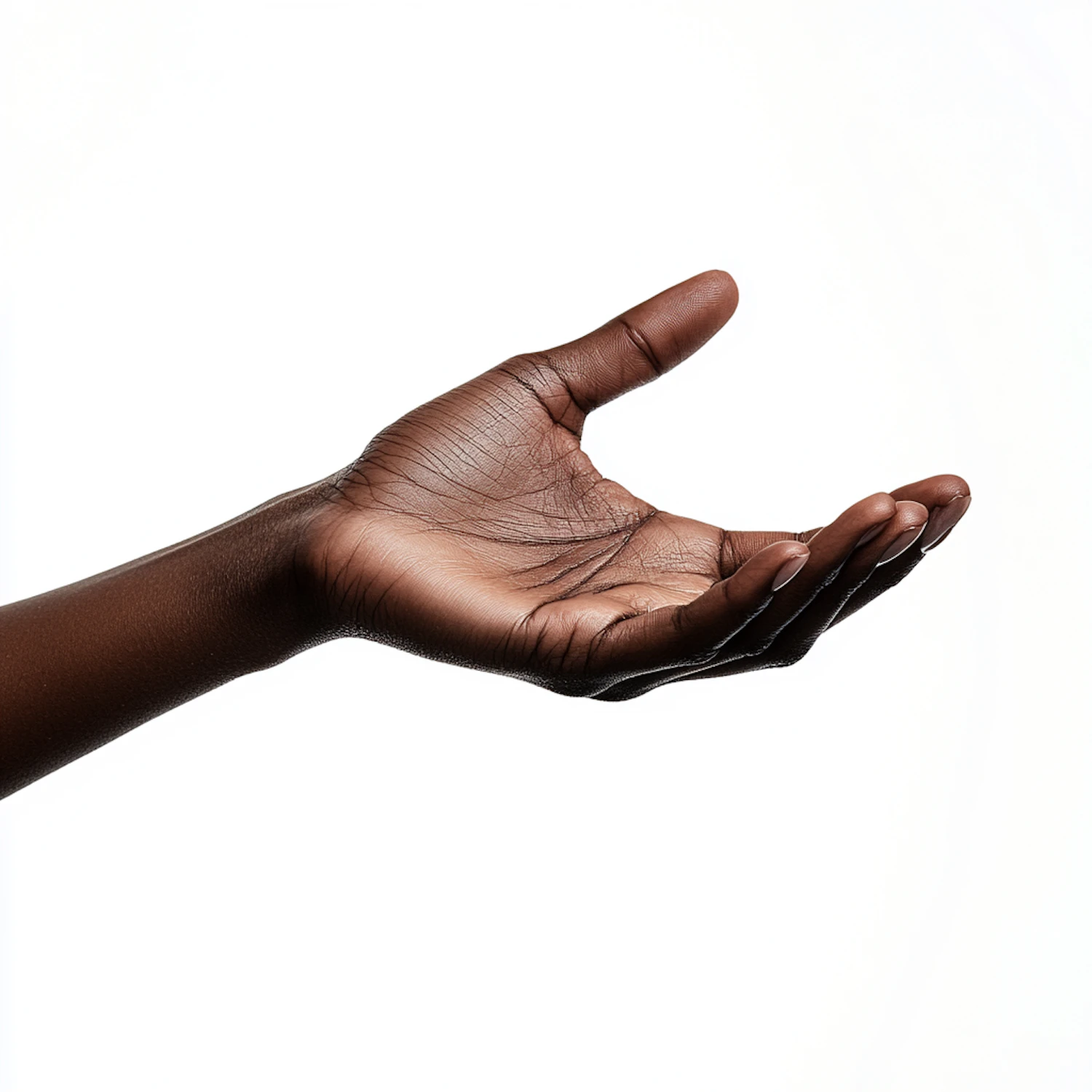
It usually affects both hands, and it typically spares the very center of the palm, concentrating instead over the fleshy pads at the base of the thumb and the little finger and around the finger bases. The redness generally blanches, meaning it pales briefly when you press it and then refills.
The redness is not usually painful or itchy, though some people describe warmth. If your palms are itchy, scaly, cracked, or blistered as well as red, that points toward a skin condition such as hand eczema rather than palmar erythema, and the American Academy of Dermatology has a useful overview of hand eczema.
What causes red palms?
The most common causes are entirely benign, and the useful question is not what red palms can mean in theory but what else is happening alongside them. The table below lays out possibilities and their distinguishing features. It is a prompt for a conversation, not a way to identify your own cause.
| Possible cause | Features that point to it | What to do |
|---|---|---|
| Normal variation | Present for years, unchanged, no other symptoms, sometimes runs in the family | No action needed |
| Heat, friction, or exercise | Comes and goes, follows hot water, manual work, gripping, or a workout; fades within hours | No action needed |
| Cold and rewarming | Redness as hands warm up after cold exposure; may follow a white or blue phase | Mention color changes with a white or blue phase to your doctor |
| Contact irritation or hand eczema | Redness with itching, dryness, scaling, cracking, or blisters; linked to soaps, gloves, or cleaning products | Book a routine appointment; a dermatologist can confirm |
| Pregnancy | Appears during pregnancy, affects both palms, no other symptoms, fades after delivery | Mention it at a prenatal visit; usually needs nothing |
| Chronic liver disease | Persistent redness plus fatigue, yellow eyes or skin, dark urine, easy bruising, abdominal swelling, or spider-like blood vessels on the chest | See your doctor promptly for blood tests |
| Rheumatoid arthritis or other autoimmune disease | Redness with joint pain, morning stiffness lasting over an hour, or symmetrical joint swelling | Book an appointment; blood tests and an exam are needed |
| Overactive thyroid | Redness with weight loss, heat intolerance, tremor, anxiety, palpitations, or loose stools | See your doctor; diagnosed with a blood test |
| Medication or supplement effect | Began after starting a new drug or high-dose supplement | Contact the prescriber; do not stop a prescribed drug yourself |
| Skin infection (cellulitis) | One hand only, hot, swollen, painful, spreading, often with fever | Same-day medical care |
| Severe allergic reaction | Redness with hives, swelling of the face or throat, wheezing, or breathlessness | Call 911 immediately |
Are red palms normal in pregnancy?
Yes, palmar erythema is a recognized and common change during pregnancy, and on its own it is not a sign that anything is wrong. It is generally attributed to the rise in estrogen and the substantial increase in blood flow to the skin that pregnancy brings.
It usually affects both palms, appears as pregnancy progresses, and fades on its own in the weeks or months after delivery. Many people also notice other skin changes at the same time, such as darkening of some areas and more visible small blood vessels.
Still worth mentioning at a prenatal appointment, though, because pregnancy can occasionally involve liver conditions of its own. Red palms with intense itching, particularly of the palms and soles and especially at night, or with yellowing of the eyes, dark urine, or pale stools, should be reported to your prenatal care provider without waiting.
Can red palms mean a liver problem?
They can, but red palms alone are nowhere near enough to suggest a liver problem, and jumping to that conclusion is the most common mistake people make with this symptom. Palmar erythema is a classic textbook association with chronic liver disease, including cirrhosis, which is scarring of the liver from long-term damage.
What makes a liver cause plausible is the company it keeps. Clinicians look for a cluster rather than one sign: yellowing of the whites of the eyes or skin, dark urine, pale or clay-colored stools, unexplained fatigue, itching, easy bruising or bleeding, swelling of the abdomen or legs, and small spider-shaped blood vessels on the chest, face, or arms.
If you have red palms and none of that, a liver cause is unlikely. If you have red palms plus one or more of those features, or you have known risk factors such as heavy alcohol use, viral hepatitis, or fatty liver disease, that combination is worth a prompt appointment. Liver blood tests are routine and inexpensive, and the National Institute of Diabetes and Digestive and Kidney Diseases covers the range of liver disease causes.
What other conditions and medications cause red palms?
Beyond pregnancy and liver disease, the associations most often described are rheumatoid arthritis, an overactive thyroid, and certain drugs. None of these is diagnosed from the palms; they are diagnosed from the rest of the picture.
- Rheumatoid arthritis and some other autoimmune conditions have been linked with palmar erythema. The relevant clue is joint symptoms, particularly stiffness in the morning that lasts more than an hour and swelling affecting the same joints on both sides. The National Institute of Arthritis and Musculoskeletal and Skin Diseases describes the pattern of rheumatoid arthritis.
- An overactive thyroid increases blood flow to the skin and is associated with warm, moist, flushed hands, usually alongside weight loss, tremor, heat intolerance, and a fast or irregular heartbeat.
- Diabetes is sometimes mentioned in connection with palmar erythema, though the association is less clear-cut than the others.
- Medications and supplements can flush the hands, including some blood pressure drugs and high doses of niacin. Chemotherapy can also cause a distinct and often painful redness of the palms and soles that your cancer care team will want to know about.
- Smoking and regular heavy alcohol use both affect skin blood flow and are worth mentioning honestly, since they change how a clinician interprets the finding.
A far less common but genuinely important situation is redness confined to one palm that does not resolve. One-sided, persistent changes are treated differently from symmetrical ones, and they deserve an examination rather than watchful waiting.
How does a doctor find the cause?
Mostly by history and examination, supported by a small number of blood tests. Expect questions about how long the redness has been there, whether it comes and goes, what else has changed, your medications and supplements, alcohol intake, and any joint, bowel, or energy symptoms.
The examination will usually take in more than your hands: the whites of your eyes, your skin for spider-like vessels, your nails, your abdomen, and your joints. That is not a fishing expedition; it is how a benign finding is separated from part of a pattern.
Common tests include liver function blood tests, a full blood count, thyroid function tests, and inflammatory markers, with more only if something points that way. Most people who get red palms checked out are reassured and need nothing further.
When should you call 911, and when should you see a doctor?
Call 911 or go to an emergency room for:
- Redness with swelling of the lips, tongue, face, or throat, hives, wheezing, or difficulty breathing
- Widespread red skin with blistering or peeling, particularly with fever, or with sores in the mouth or eyes
- A hand that is red, hot, and rapidly swelling with severe pain, fever, or a red streak running up the arm
- Yellowing of the eyes with confusion, vomiting blood, or black stools
Book an appointment with your doctor, generally within a week or two, for:
- Redness that has lasted weeks and does not come and go with heat or activity
- Redness alongside yellowing of the eyes or skin, dark urine, or pale stools
- Redness with unexplained bruising, swelling of the legs or abdomen, or persistent fatigue
- Redness with joint pain, swelling, or prolonged morning stiffness
- Redness confined to one hand that does not settle
- Redness that started after a new medication or high-dose supplement
- Intense itching of the palms and soles during pregnancy, which should be reported without delay
- Simple worry, since an examination and basic bloodwork usually resolve it quickly
What can you do at home?
If your palms are red but you feel entirely well, the honest answer is that no treatment is needed, because palmar erythema is a sign rather than a condition. Treating the cause, when there is one, is what changes the color.
- Note when the redness appears and what it follows, since a pattern tied to heat, gripping, or hot water is reassuring in itself.
- Use lukewarm rather than hot water for handwashing and dishes, and dry your hands properly afterward.
- Wear gloves for cleaning products, solvents, and gardening if irritation seems to be part of the picture.
- Moisturize regularly if the skin is also dry or cracked, which points more toward hand eczema.
- Keep alcohol within limits, since heavy use affects both skin blood flow and the liver.
- Take a photo every couple of weeks in the same light, which is more reliable than memory for judging whether something is changing.
The overall message is a calm one. Red palms are usually explained by heat, friction, normal variation, or pregnancy, and they clear up on their own. It is the combination of persistent redness with other symptoms, not the redness itself, that makes it worth investigating.
Common questions
- What does it mean when your palms are red?
- Most often it means blood vessels near the surface of the palm have widened, usually because of heat, friction, exercise, or simple normal variation. Pregnancy is another common cause. Less often it accompanies chronic liver disease, rheumatoid arthritis, or an overactive thyroid. What else you notice, rather than the redness itself, determines whether it matters.
- Are red palms a sign of liver problems?
- They can be, but red palms alone are not enough to suggest one. A liver cause becomes plausible when the redness is persistent and joined by yellowing of the eyes or skin, dark urine, pale stools, unexplained fatigue, itching, easy bruising, or abdominal swelling. Liver blood tests are routine and settle the question quickly.
- Is palmar erythema in pregnancy normal?
- Yes. It is a recognized pregnancy change, generally attributed to rising estrogen and increased blood flow to the skin, and it usually fades in the weeks after delivery. It is worth mentioning at a prenatal visit anyway. Report intense itching of the palms and soles, yellow eyes, dark urine, or pale stools without delay.
- Do red palms go away on their own?
- Usually, yes, when the cause is temporary. Redness from heat, hot water, gripping, or exercise fades within hours. Pregnancy-related redness resolves after delivery. When redness is linked to an underlying condition, treating that condition is what changes the color, since palmar erythema is a sign rather than something treated directly.
- What is the difference between red palms and hand eczema?
- Palmar erythema is smooth, usually painless, non-itchy redness that pales briefly when pressed. Hand eczema adds itching, dryness, scaling, cracking, or small blisters, and it is often linked to soaps, gloves, or cleaning products. If your palms are itchy or scaly as well as red, eczema is the more likely explanation.
- Should I worry if only one palm is red?
- One-sided redness is treated differently from redness in both palms and deserves an examination rather than watchful waiting. If that hand is also hot, swollen, painful, or spreading, especially with fever or a red streak up the arm, seek same-day care, because that pattern can indicate an infection in the skin.
- What tests are done for red palms?
- Usually a history and examination first, covering how long the redness has lasted, your medications, alcohol intake, and any joint or energy symptoms. Common blood tests include liver function tests, a full blood count, thyroid function tests, and inflammatory markers. Most people who get red palms checked are reassured and need nothing further.
Sources
Published research and guidance this page draws on. Check the original where a detail matters to you.
- 1Skin Conditions: MedlinePlus health topicMedlinePlus, U.S. National Library of Medicine
- 2Hand Eczema: OverviewAmerican Academy of Dermatology
- 3Liver DiseaseNational Institute of Diabetes and Digestive and Kidney Diseases (NIH)
- 4CirrhosisNational Institute of Diabetes and Digestive and Kidney Diseases (NIH)
- 5Rheumatoid ArthritisNational Institute of Arthritis and Musculoskeletal and Skin Diseases (NIH)
- 6Hyperthyroidism (Overactive Thyroid)National Institute of Diabetes and Digestive and Kidney Diseases (NIH)
- 7Cirrhosis: MedlinePlus health topicMedlinePlus, U.S. National Library of Medicine
- 8Rheumatoid Arthritis: MedlinePlus health topicMedlinePlus, U.S. National Library of Medicine
- 9Health Problems in Pregnancy: MedlinePlus health topicMedlinePlus, U.S. National Library of Medicine
This article is for general education and is not a substitute for professional medical advice. Speak with a qualified healthcare provider about your individual circumstances.
About HealthPathCore
An independent health knowledge library
Every article here is built from published research and guidance issued by named health bodies, written in plain language, and dated so you can see how current it is. When the evidence moves, we come back and correct the piece.
How we research and write